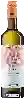
Winery Winzervereinigung Freyburg-UnstrutSilvaner Lieblich
 Sweet wine


This wine generally goes well with pork, vegetarian or poultry.

Food and wine pairings with Silvaner Lieblich
Pairings that work perfectly with Silvaner Lieblich



Original food and wine pairings with Silvaner Lieblich


The Silvaner Lieblich of Winery Winzervereinigung Freyburg-Unstrut matches generally quite well with dishes of veal, pork or vegetarian such as recipes of pasta with veal stock sauce, north welsch or quiche with leeks and fresh salmon from flo.
Details and technical informations about Winery Winzervereinigung Freyburg-Unstrut's Silvaner Lieblich.
Discover the grape variety: Garonnet
Colourful, structured reds with a sustained purple robe, firm tannins and an ample palate with preserved acidity. Signature aromas of black fruits (blackcurrant, blackberry) and spice. Productive. Grown in small quantities in south-west France for IGPs, blended into modern southern assemblages. A French black grape obtained in 1959 by crossing Morrastel-Bouschet × Cot.
Last vintages of this wine
The best vintages of Silvaner Lieblich from Winery Winzervereinigung Freyburg-Unstrut are 0, 2018
Informations about the Winery Winzervereinigung Freyburg-Unstrut
The Winery Winzervereinigung Freyburg-Unstrut is one of of the world's great estates. It offers 99 wines for sale in the of Saale-Unstrut to come and discover on site or to buy online.

The wine region of Saale-Unstrut
Germany's northernmost region (Saxony-Anhalt), ~650 ha. Nordic whites that are dry, lively and mineral with signature notes of green apple, citrus, white flowers, fresh herbs and a crisp finish — a direct, thirst-quenching style. Dominant Muller-Thurgau (~22%) light and floral, Weissburgunder (Pinot Blanc) round and precise, herbaceous Silvaner and taut Riesling. Early grapes suited to the harsh continental climate.
The word of the wine: Vatting
After five to eight days of alcoholic fermentation, it is possible to prolong the maceration in order to extract the maximum amount of matter from the marc. The wines obtained in this way are rich and full-bodied, and in principle are intended for laying down.