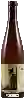
Winery Andreas BraunVolkacher Kirchberg Silvaner Trocken
 White wine
In the mouth this white wine is a with a nice freshness.
This wine generally goes well with pork, vegetarian or poultry.

Taste structure of the Volkacher Kirchberg Silvaner Trocken from the Winery Andreas Braun
Light | Bold | |
Dry | Sweet | |
Soft | Acidic |
In the mouth the Volkacher Kirchberg Silvaner Trocken of Winery Andreas Braun in the region of Franken is a with a nice freshness.
Food and wine pairings with Volkacher Kirchberg Silvaner Trocken
Pairings that work perfectly with Volkacher Kirchberg Silvaner Trocken



Original food and wine pairings with Volkacher Kirchberg Silvaner Trocken


The Volkacher Kirchberg Silvaner Trocken of Winery Andreas Braun matches generally quite well with dishes of veal, pork or vegetarian such as recipes of country-style veal roulades with risotto, traditional welsh dark beer or vegan leek and tofu quiche.
Details and technical informations about Winery Andreas Braun's Volkacher Kirchberg Silvaner Trocken.
Discover the grape variety: Victoria
Table grape with long bunches and elongated golden to pinkish berries, thin skin and crunchy flesh, with a sweet, fresh flavour. Early ripening and productive. Grown in Romania, Bulgaria and Hungary for fresh consumption, prized for its attractive market appearance and early maturity allowing early harvests. Romanian grey/white table grape variety obtained by crossing for fresh consumption.
Informations about the Winery Andreas Braun
The Winery Andreas Braun is one of of the world's great estates. It offers 51 wines for sale in the of Franken to come and discover on site or to buy online.

The wine region of Franken
Homeland of German Silvaner: dry, straight, mineral and lively whites with notes of green apple, citrus, fresh herbs and a saline touch, planted here for over 350 years (1,500 ha, a quarter of the vineyard). Also supple, floral Müller-Thurgau, taut Riesling, aromatic Bacchus. Some discreet reds (Spätburgunder). 6,040 ha in Bavaria along the Main around Würzburg, red sandstone and shell-limestone soils.
The word of the wine: Malolactic fermentation
Called second fermentation or malo for short. It is the degradation (under the effect of bacteria) of the malic acid naturally present in the wine into milder, less aggressive lactic acid. Some producers or wineries refuse this operation by "blocking the malo" (by cold and adding SO2) to keep a maximum of acidity which carries the aromas and accentuates the sensation of freshness.