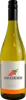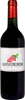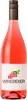
Winery DauvaArpi Rosato
 wine
wine
This wine generally goes well with
The Arpi Rosato of the Winery Dauva is in the top 0 of wines of Daunia.
Details and technical informations about Winery Dauva's Arpi Rosato.
Discover the grape variety: Alvina
Intraspecific crossing obtained between Alphonse Lavallée and the white sultana, registered in 1990 in the Official Catalogue of table grape varieties list A1.
Informations about the Winery Dauva
The Winery Dauva is one of of the world's greatest estates. It offers 6 wines for sale in the of Daunia to come and discover on site or to buy online.

The wine region of Daunia
The wine region of Daunia is located in the region of Pouilles of Italy. Wineries and vineyards like the Domaine Cantina la Marchesa or the Domaine Farnese produce mainly wines red, white and pink. The most planted grape varieties in the region of Daunia are Sangiovese, Aglianico and Merlot, they are then used in wines in blends or as a single variety. On the nose of Daunia often reveals types of flavors of non oak, earth or microbio and sometimes also flavors of vegetal, oak or spices.
The wine region of Puglia
Puglia (Apulia to many English speakers) is a Long, slender wine region in the extreme Southeast corner of Italy's "boot". To use the shoe analogy often used to illustrate the shape of Italy, Apulia extends from the tip of the heel to the mid-calf, where the spur of the Gargano Peninsula juts out into the Adriatic Sea. The heel (the Salento peninsula) occupies the southern half of the region and is of great importance for the identity of Puglia. Not only are there cultural and geographical differences from Northern Puglia, but the wines are also different.
The word of the wine: Fulfilled
Said of a wine at its peak that is balanced and offers all its aromatic potential.