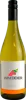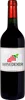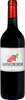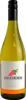
Winery Darling CellarsSweet Darling Rosé
 Sweet wine



This wine generally goes well with
Details and technical informations about Winery Darling Cellars's Sweet Darling Rosé.
Discover the grape variety: Ruby-cabernet
Intraspecific crossing carried out in 1936 by Doctor Harold Paul Olmo of the University of California in Davis (United States) between the carignan and the cabernet-sauvignon. The first plantings were made in 1948 in the United States (California). Today, it is less and less multiplied, but it can still be found in South Africa, Australia, Argentina, Chile, Uruguay, Yugoslavia, the United States, etc. In France, it is almost unknown.
Last vintages of this wine
The best vintages of Sweet Darling Rosé from Winery Darling Cellars are 0
Informations about the Winery Darling Cellars
The Winery Darling Cellars is one of of the world's great estates. It offers 98 wines for sale in the of Darling to come and discover on site or to buy online.

The wine region of Darling
The wine region of Darling is located in the region of Coastal Region of Western Cape of South Africa. Wineries and vineyards like the Domaine Groote Post or the Domaine Groote Post produce mainly wines red, white and pink. The most planted grape varieties in the region of Darling are Cabernet-Sauvignon, Merlot and Pinotage, they are then used in wines in blends or as a single variety. On the nose of Darling often reveals types of flavors of pineapple, dark fruit or apples and sometimes also flavors of grapefruit, dried fruit or mulberry.
The wine region of Western Cape
The Western Cape is home to the vast majority of the South African wine industry, and the country's two most famous wine regions, Stellenbosch and Paarl. The city of Cape Town serves as the epicenter of the Cape Winelands, a mountainous, biologically diverse area in the south-western corner of the African continent. A wide variety of wines are produced here. Wines from the Shiraz and Pinotage">Pinotage grape varieties can be fresh and juicy or Full-bodied and gutsy.
The word of the wine: Beurré
Typical aroma of white wines aged in oak barrels and wines that have undergone malolactic fermentation.