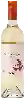
Winery Dancing Coyote WinesLost Slough Wild Chenin Blanc
 wine
wine
This wine generally goes well with
The Lost Slough Wild Chenin Blanc of the Winery Dancing Coyote Wines is in the top 0 of wines of Clarksburg.

Details and technical informations about Winery Dancing Coyote Wines's Lost Slough Wild Chenin Blanc.
Discover the grape variety: Jurançon noir
Light, fruity reds with a clear ruby robe, smooth tannins and a supple palate of simple red fruits (raspberry, cherry), gentle spices and floral notes. A thirst-quenching profile to drink young. Once widespread in the South-West, now marginal, preserved in a few heritage parcels in Béarn and Bigorre. Native French grape of the South-West, not to be confused with the Jurançon appellation (white wines).
Informations about the Winery Dancing Coyote Wines
The Winery Dancing Coyote Wines is one of of the world's great estates. It offers 17 wines for sale in the of Clarksburg to come and discover on site or to buy online.

The wine region of Clarksburg
Sacramento-San Joaquin Delta AVA (California) cooled by the Delta Breeze: signature Chenin Blanc as king white — whites with chiseled acidity and honeyed notes, white fruits and floral touches, signature local balance. Plump and tannic Petite Sirah as king red on hot days — concentration of black fruits and spices. 35+ grape varieties grown on fertile alluvial soils, ~40°F temperature swing preserving acidity, fresh identity atypical in Central Valley.
The wine region of California
Powerful, sunny reds: dense Napa Cabernet Sauvignon (blackcurrant, chocolate, tobacco, ample tannins), spicy, jammy Zinfandel from the Sierra Foothills, silky red-fruited Pinot Noir on the cool coast (Sonoma, Russian River, Central Coast). Opulent, buttery Chardonnay, notes of yellow fruit and vanilla. Varied climate, from the hot interior to the Pacific-cooled coast. 80% of US production, 139 AVAs including Napa (1st AVA, 1981).
The word of the wine: Serious
A Bordeaux term for small pebbles from the Pyrenees, eroded, rounded and transported by the Garonne to Aquitaine. They are mainly found on the left bank in the area.... known as the Graves, and further downstream in the Médoc. By extension, gravel is found in other regions, brought by other rivers or even glaciers.