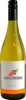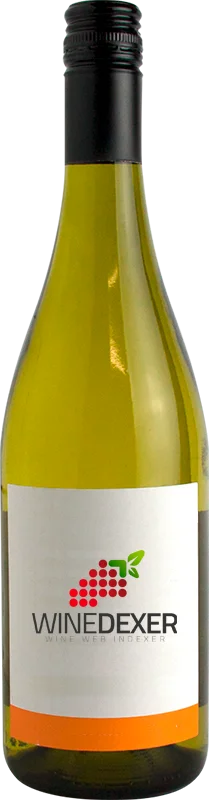
Dahelon VignoblePremium Côtes de Grand Lieu
 White wine
In the mouth this white wine is a with a nice freshness.
This wine generally goes well with appetizers and snacks, lean fish or shellfish.

Taste structure of the Premium Côtes de Grand Lieu from the Dahelon Vignoble
Light | Bold | |
Dry | Sweet | |
Soft | Acidic |
In the mouth the Premium Côtes de Grand Lieu of Dahelon Vignoble in the region of Muscadet-Côtes de Grandlieu is a with a nice freshness.
Food and wine pairings with Premium Côtes de Grand Lieu
Pairings that work perfectly with Premium Côtes de Grand Lieu



Original food and wine pairings with Premium Côtes de Grand Lieu

The Premium Côtes de Grand Lieu of Dahelon Vignoble matches generally quite well with dishes of shellfish, appetizers and snacks or lean fish such as recipes of spaghetti with squid ink (italy), pretzel and ode mauricette! or fillets of sole.
Details and technical informations about Dahelon Vignoble's Premium Côtes de Grand Lieu.
Discover the grape variety: Black Muscat
Opulent and perfumed sweet and fortified wines with a dark ruby robe, a dense and unctuous palate, showing intense muscat signature aromas (rose, fresh grape), candied red fruits (cherry, strawberry), honey and gentle spices. Also an aromatic table grape. Grown in Australia (Rutherglen), California, South Africa and the Mediterranean for sweet fortified wines. Aromatic black grape obtained in 1837 in England, Muscat of Alexandria × Schiava Grossa, also known as Muscat of Hamburg.
Informations about the Dahelon Vignoble
The Dahelon Vignoble is one of of the world's greatest estates. It offers 11 wines for sale in the of Muscadet-Côtes de Grandlieu to come and discover on site or to buy online.

The wine region of Muscadet-Côtes de Grandlieu
Sub-appellation of Muscadet (1994, 717 ha) around Lac de Grandlieu south-west of Nantes: 100% Melon de Bourgogne as an exclusive dry white. Floral and mineral bouquet — pale robe with green glints, aromas of citrus (lemon, grapefruit), white flowers, iodine and saline notes. Lively, fresh and taut palate with high acidity and marked mineral character. Granitic, schistose and gneissic soils, softening lacustrine microclimate, ideal for sur-lie ageing.
The word of the wine: White Grenache
White grape variety cultivated mainly in Spain and a little in the south of France (southern Rhône valley, Languedoc-Roussillon). It is the white variety of Grenache noir. It is used in the blending of several white wines (dry wines or natural sweet wines) to which it gives richness, fatness and floral notes.