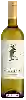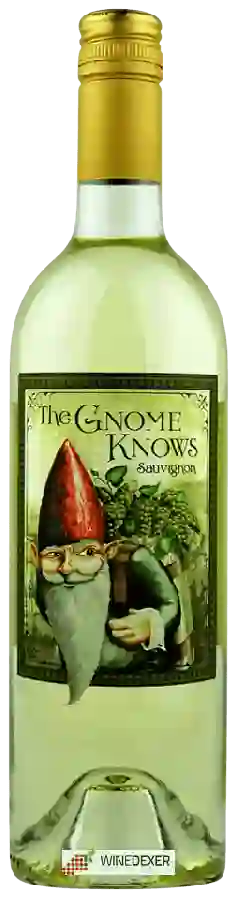
Winery Le Cellier d'EoleThe Gnome Knows Sauvignon Blanc
 White wine



In the mouth this white wine is a .
This wine generally goes well with vegetarian, poultry or lean fish.

Taste structure of the The Gnome Knows Sauvignon Blanc from the Winery Le Cellier d'Eole
Light | Bold | |
Dry | Sweet | |
Soft | Acidic |
In the mouth the The Gnome Knows Sauvignon Blanc of Winery Le Cellier d'Eole in the region of Pays d'Oc is a .
Food and wine pairings with The Gnome Knows Sauvignon Blanc
Pairings that work perfectly with The Gnome Knows Sauvignon Blanc



Original food and wine pairings with The Gnome Knows Sauvignon Blanc


The The Gnome Knows Sauvignon Blanc of Winery Le Cellier d'Eole matches generally quite well with dishes of pasta, vegetarian or poultry such as recipes of chinese noodles with vegetables, magic cake cheese quiche or chicken massala.
Details and technical informations about Winery Le Cellier d'Eole's The Gnome Knows Sauvignon Blanc.
Discover the grape variety: Blütenmuskateller
Aromatic, sweet and sparkling whites with a pale golden robe, perfumed palate and fresh acidity; muscat-like aromas (fresh grape, flowers) more subtle than classic muscats. Resistant to downy and powdery mildew. Grown in central and eastern Europe and Australia for sweet aromatic wines. White hybrid bred in Russia in 1947 (severnyj × muscat blanc à petits grains).
Last vintages of this wine
The best vintages of The Gnome Knows Sauvignon Blanc from Winery Le Cellier d'Eole are 2018, 2017
Informations about the Winery Le Cellier d'Eole
The Winery Le Cellier d'Eole is one of of the world's greatest estates. It offers 34 wines for sale in the of Pays d'Oc to come and discover on site or to buy online.

The wine region of Pays d'Oc
The single-grape IGP par excellence: modern, accessible, frank and fruity wines, the popular signature of the Midi. Spicy Syrah reds (pepper, blackberry), round Merlot, structured Cabernet, generous Grenache, supple Cinsault. Crisp, tangy rosés. Opulent Chardonnay whites, lively Sauvignon, floral, apricoty Viognier.
The word of the wine: Second fermentation
In the making of champagne, fermentation of the base wine to which is added the liqueur de tirage and which takes place in the bottle. This second fermentation produces the carbon dioxide, and therefore the bubbles that make up the effervescence of the wine.