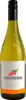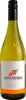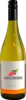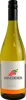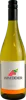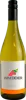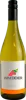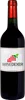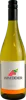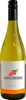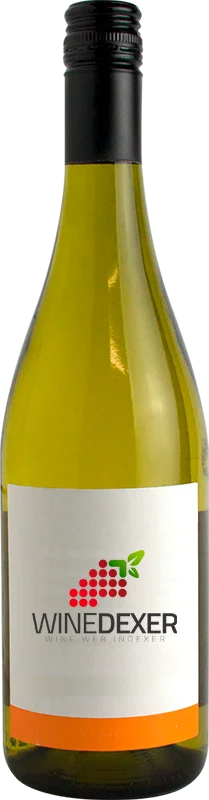
Winery Curral AtlantisColheita Selecionada Terrantez do Pico
 White wine


This wine generally goes well with
The Colheita Selecionada Terrantez do Pico of the Winery Curral Atlantis is in the top 80 of wines of Açores.
Details and technical informations about Winery Curral Atlantis's Colheita Selecionada Terrantez do Pico.
Discover the grape variety: Abondance
A very old grape variety that was once grown in Savoie and more generally in the Isère Valley, but has now almost disappeared from the vineyards. It should not be confused with Abundant which is a white grape variety formerly cultivated in eastern France.
Last vintages of this wine
The best vintages of Colheita Selecionada Terrantez do Pico from Winery Curral Atlantis are 0
Informations about the Winery Curral Atlantis
The Winery Curral Atlantis is one of of the world's great estates. It offers 17 wines for sale in the of Açores to come and discover on site or to buy online.

The wine region of Açores
The wine region of Açores of Portugal. Wineries and vineyards like the Domaine Pico Wines or the Domaine Azores Wine Company produce mainly wines white, red and pink. The most planted grape varieties in the region of Açores are Verdelho, Merlot and Fernao Pires, they are then used in wines in blends or as a single variety. On the nose of Açores often reveals types of flavors of cherry, oaky or honey and sometimes also flavors of straw, tree fruit or citrus fruit.
The word of the wine: Barrel
Bordeaux barrel of 225 litres, used to determine the tonneau (unit of measurement corresponding to four barrels, or 900 litres).