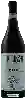
Winery CostallinaBarbera d’Alba
 Red wine


In the mouth this red wine is a powerful with a nice freshness.
This wine generally goes well with pork, poultry or veal.

Taste structure of the Barbera d’Alba from the Winery Costallina
Light | Bold | |
Smooth | Tannic | |
Dry | Sweet | |
Soft | Acidic |
In the mouth the Barbera d’Alba of Winery Costallina in the region of Piedmont is a powerful with a nice freshness.
Food and wine pairings with Barbera d’Alba
Pairings that work perfectly with Barbera d’Alba



Original food and wine pairings with Barbera d’Alba


The Barbera d’Alba of Winery Costallina matches generally quite well with dishes of pasta, veal or pork such as recipes of gratin of coquillettes with ham, veal blanquette à l'ancienne or simple pork roast.
Details and technical informations about Winery Costallina's Barbera d’Alba.
Discover the grape variety: Tinta negra mole
Dry, medium-dry, medium-sweet and sweet fortified Madeira wines, with an amber to mahogany hue, ample, oxidative palate and aromas of dried fruits (fig, walnut), caramel, coffee, spices and maderised rancio notes. Embodies the modern identity of the Madeira DOP appellation, accounting for over 80% of commercially sold Madeira. Portuguese black grape, the most planted on Madeira island, productive and adaptable.
Last vintages of this wine

The best vintages of Barbera d’Alba from Winery Costallina are 2020, 2017, 2018, 0 and 2019.
Informations about the Winery Costallina
The Winery Costallina is one of of the world's great estates. It offers 84 wines for sale in the of Barbera d'Alba to come and discover on site or to buy online.

The wine region of Barbera d'Alba
Premium Piedmontese Barbera around Alba (heart of the Langhe). Fleshier, more concentrated reds than neighbouring Asti, with signature notes of ripe black cherry, candied plum, violet and sweet spices, characteristic fresh acidity and round tannins. Frequent barrel ageing (chocolate, vanilla). Generous palate, accessible young, age-worthy Superiore versions.
The wine region of Piedmont
Kingdom of Nebbiolo: Barolo and Barbaresco DOCG, long-ageing reds with firm tannins and lively acidity, complex aromas of withered rose, sour cherry, tar, truffle and undergrowth. More accessible, tangy Barbera on red fruit, supple, crisp Dolcetto. Sweet, floral sparkling Moscato d'Asti, mineral, lemony Gavi (Cortese) white, round, almondy Arneis from Roero. 50,000 ha across the Langhe, Roero and Monferrato, UNESCO.
The word of the wine: Perlant
Said of a slightly effervescent wine.