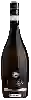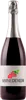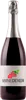
Winery Corte GiovanniTeresa Rosé Spumante
 wine
wine
This wine generally goes well with
The Teresa Rosé Spumante of the Winery Corte Giovanni is in the top 0 of wines of Asolo Prosecco.

Details and technical informations about Winery Corte Giovanni's Teresa Rosé Spumante.
Discover the grape variety: Segalin
Colourful, fruity reds with an intense ruby robe, smooth tannins and a supple palate, showing simple aromas of red fruits (cherry, raspberry), plum, soft spices and Mediterranean notes. A productive, drink-young profile. Grown in small quantities in southern France for IGP Pays-d'Oc and modern southern blends. A French variety created in 1958 by complex crossing (Jurançon Noir × Portugais Bleu), intended for table wines.
Informations about the Winery Corte Giovanni
The Winery Corte Giovanni is one of of the world's greatest estates. It offers 4 wines for sale in the of Asolo Prosecco to come and discover on site or to buy online.

The wine region of Asolo Prosecco
Premium Venetian DOCG around the village of Asolo (Treviso, 18 communes, 2009): Glera signature as king sparkling white (>=85%) complemented by Bianchetta Trevigiana, Perera and Verdiso — Martinotti tank method, signature profile vibrant and elegant with fresh bubbles, notes of green apple, pear, white flowers and a citrus touch, finesse comparable to Champagne and Cava. Brut Nature, Extra Brut (1st DOCG authorised), Brut, Extra Dry, Dry. South Monte Grappa slopes, <=450 m, varied fresh soils.
The wine region of Veneto
World star of Prosecco: fresh, light Glera sparklers with notes of pear, green apple and white flowers, fruity, convivial bubbles. Veronese reds from Corvina and Rondinella: light, crisp Bardolino, fruity Valpolicella, opulent, concentrated Amarone DOCG (black cherry, chocolate, raisin) from dried grapes. Mineral, almondy Soave (Garganega) whites, fresh Pinot Grigio. 97,500 ha, Italy's largest production.
The word of the wine: Food and wine pairing
It is the set of techniques that allow for the pleasant combination of food and wine. Food and wine pairing is based on a few basic principles, such as similarity, complementarity or contrast, and involves all the elements that make up the wine and the food (flavours, textures, aromas, etc.).