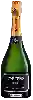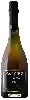
Winery CordelierMoscatel
 Sparkling wine



This wine generally goes well with sweet desserts

Food and wine pairings with Moscatel
Pairings that work perfectly with Moscatel

Original food and wine pairings with Moscatel
The Moscatel of Winery Cordelier matches generally quite well with dishes of sweet desserts such as recipes of apple cake.
Details and technical informations about Winery Cordelier's Moscatel.
Discover the grape variety: Bical
Lively, structured dry whites with a pale golden robe, a taut palate and a signature high acidity, with refined aromas of citrus (lemon, grapefruit), green apple, white flowers (acacia) and mineral notes. Fine ageing potential, bringing freshness and length to blends. A traditional component of the sparkling wines (espumantes) of Bairrada and dry whites of Dão DOC. Autochthonous Portuguese white variety from Bairrada and Dão.
Last vintages of this wine
The best vintages of Moscatel from Winery Cordelier are 0
Informations about the Winery Cordelier
The Winery Cordelier is one of of the world's greatest estates. It offers 12 wines for sale in the of Serra Gaúcha to come and discover on site or to buy online.

The wine region of Serra Gaúcha
Brazil's wine capital, Rio Grande do Sul. Specialty: high-quality traditional-method sparklers, fine and fruity (apple, citrus, white flowers), elegant bubble, alpine expression of the south. Still wines mostly European: round fruity Merlot, firm Cabernet Sauvignon, more tannic Tannat, fresh Chardonnay, supple Riesling Italico, fine Pinot Noir. Marked by Italian immigration in 1875, humid climate tempered by altitude.
The wine region of Rio Grande do Sul
Brazil's winemaking heart (~80% of production), Italian tradition. Recognised specialty: traditional-method sparkling wines (espumantes), fresh and fruity, based on Chardonnay and Pinot Noir, among South America's finest. Accessible reds: supple, fruity Merlot (plum, cherry), fleshy Cabernet Sauvignon, dense, tannic Tannat. Round Chardonnay, light Riesling Italico, sweet, floral Moscato whites.
The word of the wine: Extraction
All the methods (pumping over, punching down) that allow the colour and tannins to be extracted from the grape skin during maceration, before fermentation begins. It is also possible to macerate after fermentation, but gently, so as not to extract the tannins from the seeds, which are greener. Because of its solvent power, alcohol favours extraction.