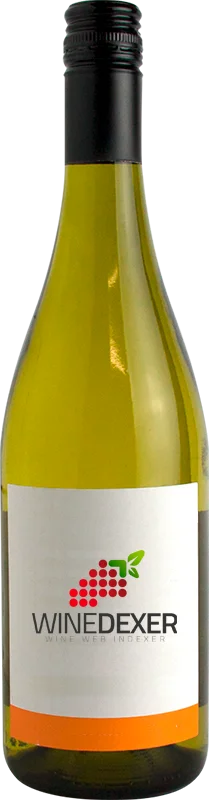
Winery Colli CerentinoPhilos Falanghina
 White wine


In the mouth this white wine is a powerful.
This wine generally goes well with vegetarian, appetizers and snacks or shellfish.

Taste structure of the Philos Falanghina from the Winery Colli Cerentino
Light | Bold | |
Dry | Sweet | |
Soft | Acidic |
In the mouth the Philos Falanghina of Winery Colli Cerentino in the region of Campania is a powerful.




Food and wine pairings with Philos Falanghina
Pairings that work perfectly with Philos Falanghina



Original food and wine pairings with Philos Falanghina
The Philos Falanghina of Winery Colli Cerentino matches generally quite well with dishes of shellfish, vegetarian or appetizers and snacks such as recipes of three ways to prepare chinese noodles, zucchini quiche or christmas boots in knacki.
Details and technical informations about Winery Colli Cerentino's Philos Falanghina.
Discover the grape variety: Rousse
Light, fruity reds with a pale ruby robe, soft tannins, and an airy palate with moderate acidity, offering understated red-fruit aromas. A discreet, rustic southern profile. Nearly extinct, preserved in INRAE varietal collections, it testifies to the pre-phylloxera ampelographic diversity of the southern French vineyard.
Last vintages of this wine
The best vintages of Philos Falanghina from Winery Colli Cerentino are 2016, 0
Informations about the Winery Colli Cerentino
The Winery Colli Cerentino is one of of the world's greatest estates. It offers 7 wines for sale in the of Campania to come and discover on site or to buy online.

The wine region of Campania
Cradle of southern Italy's great wines on volcanic soils. Majestic Aglianico in red: structured, deep and tannic with notes of black cherry, candied plum, leather and spices, sublimated in age-worthy Taurasi DOCG, the "Barolo of the south". Identity whites of Irpinia: opulent Fiano di Avellino (honey, hazelnut), mineral iodine Greco di Tufo, aromatic Falanghina (peach, flowers). Also supple Piedirosso.
The word of the wine: Phylloxera
Aphid that came from America and ravaged European vineyards at the end of the 19th century. It lives on the roots of the vine, from which it pumps the sap. The only vines capable of resisting it had to be imported from the United States, and then grafted onto their root system the wood of traditional French grape varieties. Today, grafted vines are always planted.