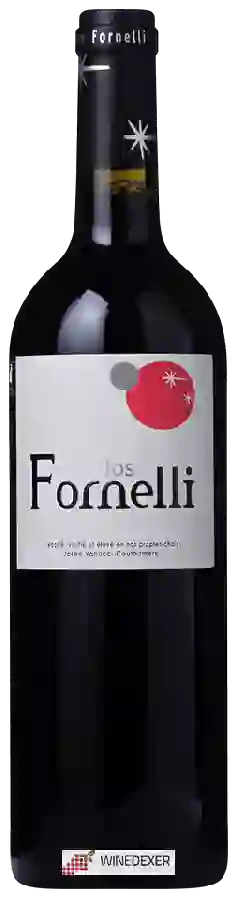
Clos FornelliRouge
 Red wine



This wine generally goes well with beef, lamb or mature and hard cheese.

Wine flavors and olphactive analysis



On the nose the Rouge of Clos Fornelli in the region of Corsica often reveals types of flavors of cherry, red fruit or licorice and sometimes also flavors of oak, spices or red fruit.
Food and wine pairings with Rouge
Pairings that work perfectly with Rouge



Original food and wine pairings with Rouge

The Rouge of Clos Fornelli matches generally quite well with dishes of beef, lamb or spicy food such as recipes of autumn beef bourguignon, royal couscous or shrimp marinade.
Details and technical informations about Clos Fornelli's Rouge.
Discover the grape variety: Aglianico
Powerful, tannic reds with deep colour and tight structure, with aromas of black cherry, blackberry, leather, tobacco, coffee and balsamic-volcanic mineral notes. High acidity and very fine ageing potential, often compared to nebbiolo. Star of Taurasi DOCG in Campania and Aglianico del Vulture DOCG in Basilicata (vines planted on volcanic soils). Late-ripening southern Italian variety of probable ancient Greek origin.
Last vintages of this wine
The best vintages of Rouge from Clos Fornelli are 2015, 2018, 2016, 2017
Informations about the Clos Fornelli
The Clos Fornelli is one of of the world's greatest estates. It offers 11 wines for sale in the of Corsica to come and discover on site or to buy online.

The wine region of Corsica
Mediterranean island wine region with a triple native face, ~8,000 ha. Niellucciu signature (cousin of Sangiovese) dominates Patrimonio: structured reds with signature notes of black cherry, garrigue, maquis, spices and leather, firm tannins and sun-drenched mouth. Sciaccarellu (min. 60% in Ajaccio) lighter and peppery (strawberry, wild herbs).
The word of the wine: Ovoids (tanks)
Egg-shaped vats used for wine making and maturing that favour the natural suspension of the lees thanks to the vortex movements, which give the wine more fat and fruity aromas.