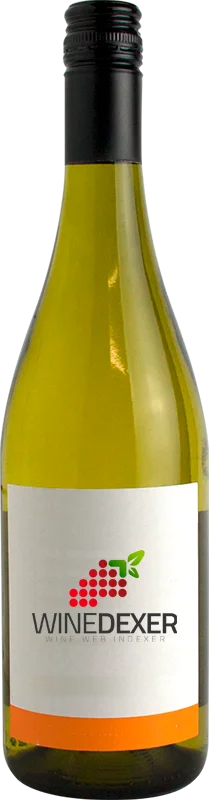
Winery Clement Weck & FilsLes 7 Nuances Muscat
 White wine


This wine generally goes well with spicy food and sweet desserts.
Wine flavors and olphactive analysis

On the nose the Les 7 Nuances Muscat of Winery Clement Weck & Fils in the region of Alsace often reveals types of flavors of raisin, spices or citrus fruit and sometimes also flavors of dried fruit.
Food and wine pairings with Les 7 Nuances Muscat
Pairings that work perfectly with Les 7 Nuances Muscat


Original food and wine pairings with Les 7 Nuances Muscat
The Les 7 Nuances Muscat of Winery Clement Weck & Fils matches generally quite well with dishes of spicy food or sweet desserts such as recipes of monkfish with curry or traditional pastry flan.
Details and technical informations about Winery Clement Weck & Fils's Les 7 Nuances Muscat.
Discover the grape variety: Gros Verdot
Girondine most certainly like the Petit Verdot. It is almost no longer present in the vineyard, no longer multiplied and therefore very clearly on the way to extinction.
Last vintages of this wine

The best vintages of Les 7 Nuances Muscat from Winery Clement Weck & Fils are 2016, 2015
Informations about the Winery Clement Weck & Fils
The Winery Clement Weck & Fils is one of of the world's greatest estates. It offers 44 wines for sale in the of Alsace to come and discover on site or to buy online.

The wine region of Alsace
Alsace, located in the extreme north-east of France, is Distinguished from other French wine regions by its strong Franco-Germanic influences. These influences are the result of a back-and-forth between the German and French sovereignties over the last few centuries. They can be seen not only in the architecture and culture of Alsace, but also in the wines. Alsace wines are produced under three main appellations: Alsace and Alsace Grand Cru for still white wines (Sweet and Dry), and Crémant d'Alsace for Sparkling wines.
The word of the wine: ODG
Organisation for the defence and management of wine, set up following the reform of the "syndicats de crus". The ODG is the collective organisation responsible for the defence and management of a product under an official sign of identification and quality and between wine appellations.