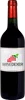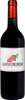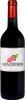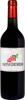
Winery Saint AuriolLe Primeur Merlot
 Red wine
This wine generally goes well with beef and game (deer, venison).

Food and wine pairings with Le Primeur Merlot
Pairings that work perfectly with Le Primeur Merlot


Original food and wine pairings with Le Primeur Merlot
The Le Primeur Merlot of Winery Saint Auriol matches generally quite well with dishes of beef, pasta or veal such as recipes of empanadas de carne (argentina), pasta with chicken, peppers and mushrooms or osso buco with mushrooms.
Details and technical informations about Winery Saint Auriol's Le Primeur Merlot.
Discover the grape variety: Merlot
Round and fleshy reds with a velvety texture, showing aromas of ripe plum, black cherry, cocoa and truffle notes with age. Supple tannins, generous alcohol, indulgent finish. Pillar of Libournais (Pomerol with Pétrus, Saint-Émilion with Cheval Blanc and Ausone) and signature of Super Tuscans, Italian Wales and Washington State. A cross of Cabernet Franc × Magdeleine Noire, France's most planted red variety.
Informations about the Winery Saint Auriol
The Winery Saint Auriol is one of of the world's great estates. It offers 36 wines for sale in the of Pays d'Oc to come and discover on site or to buy online.

The wine region of Pays d'Oc
The single-grape IGP par excellence: modern, accessible, frank and fruity wines, the popular signature of the Midi. Spicy Syrah reds (pepper, blackberry), round Merlot, structured Cabernet, generous Grenache, supple Cinsault. Crisp, tangy rosés. Opulent Chardonnay whites, lively Sauvignon, floral, apricoty Viognier.
The word of the wine: Grand Cru
In Burgundy, the fourth and final level of classification (above the regional, communal and premier cru appellations), designating the wines produced on delimited plots of land (the climats) whose name alone constitutes the appellation. The climats classified as Grand Cru are 32 in the Côte d'Or plus one in Chablis which is divided into 7 distinct climats. Representing barely 1.5% of the production, the Grand Crus are the aristocracy of Burgundy wines.