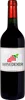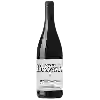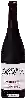
Winery Claude LeblancCuvée Terroir Côtes du Roussillon Villages
 Red wine
In the mouth this red wine is a powerful with a nice balance between acidity and tannins.
This wine generally goes well with beef, veal or pasta.

Taste structure of the Cuvée Terroir Côtes du Roussillon Villages from the Winery Claude Leblanc
Light | Bold | |
Smooth | Tannic | |
Dry | Sweet | |
Soft | Acidic |
In the mouth the Cuvée Terroir Côtes du Roussillon Villages of Winery Claude Leblanc in the region of Languedoc-Roussillon is a powerful with a nice balance between acidity and tannins.
Food and wine pairings with Cuvée Terroir Côtes du Roussillon Villages
Pairings that work perfectly with Cuvée Terroir Côtes du Roussillon Villages



Original food and wine pairings with Cuvée Terroir Côtes du Roussillon Villages
The Cuvée Terroir Côtes du Roussillon Villages of Winery Claude Leblanc matches generally quite well with dishes of beef, pasta or veal such as recipes of braised beef with guinness, pasta with artichoke hearts and bacon or oxtail confit in red wine.
Details and technical informations about Winery Claude Leblanc's Cuvée Terroir Côtes du Roussillon Villages.
Discover the grape variety: Pinot noir
Elegant reds, light in colour with silky tannins, showing strawberry, cherry and raspberry aromas, evolving to forest floor, mushroom and spice with age. Fresh acidity, delicate finish. Star of the Côte d'Or (Romanée-Conti, Chambertin, Volnay), pillar of Champagne (Blanc de Noirs) and signature of Oregon, Central Otago and Sonoma Coast. An early-ripening Burgundian variety, one of the world's greatest.
Informations about the Winery Claude Leblanc
The Winery Claude Leblanc is one of of the world's greatest estates. It offers 17 wines for sale in the of Côtes du Roussillon Villages to come and discover on site or to buy online.

The wine region of Côtes du Roussillon Villages
Sunny cru of the Pyrénées-Orientales (above Côtes du Roussillon): signature Grenache, Syrah, Mourvèdre and Carignan as exclusive king reds - concentrated and fleshy with notes of ripe black fruits (blackberry, blackcurrant, plum), garrigue, cocoa, spices, liquorice and a mineral touch, coated tannins and a long finish (12. 5° min). Communal mentions (Tautavel, Lesquerde, Caramany, Latour). AOC (1977), schist, gneiss and limestone, hot windy Mediterranean climate.
The wine region of Languedoc-Roussillon
Largest single French vineyard, dominated by sunny, generous reds. Spicy Syrah, candied Grenache (ripe fruit, garrigue), structured Carignan, deep Mourvèdre, supple Cinsault. Stars: structured Corbières, Minervois, Faugères, Saint-Chinian; round Côtes-du-Roussillon. Legendary vins doux naturels: Banyuls and Maury (fortified Grenache) with notes of cocoa, fig, prune.
The word of the wine: Malolactic fermentation
Called second fermentation or malo for short. It is the degradation (under the effect of bacteria) of the malic acid naturally present in the wine into milder, less aggressive lactic acid. Some producers or wineries refuse this operation by "blocking the malo" (by cold and adding SO2) to keep a maximum of acidity which carries the aromas and accentuates the sensation of freshness.