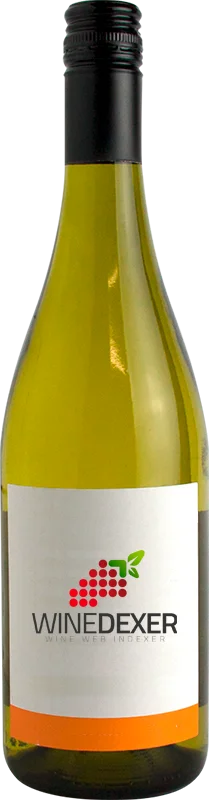
Winery Christophe CourtinatSaint Pourçain Blanc
 White wine



In the mouth this white wine is a .
This wine generally goes well with

Taste structure of the Saint Pourçain Blanc from the Winery Christophe Courtinat
Light | Bold | |
Dry | Sweet | |
Soft | Acidic |
In the mouth the Saint Pourçain Blanc of Winery Christophe Courtinat in the region of Loire Valley is a .
Wine flavors and olphactive analysis


On the nose the Saint Pourçain Blanc of Winery Christophe Courtinat in the region of Loire Valley often reveals types of flavors of earth, microbio or tree fruit.
Details and technical informations about Winery Christophe Courtinat's Saint Pourçain Blanc.
Discover the grape variety: Pinot grigio
Crisp, light dry whites with a pale, sometimes copper-tinged robe, slender palate and fresh acidity, showing delicate aromas of citrus (lemon, grapefruit), green apple, pear, white flowers, almond and mineral notes. Refreshing profile. Absolute star of northern Italy: Pinot Grigio delle Venezie DOC, Friuli Colli Orientali DOC, Alto Adige DOC and Trentino DOC. Italian synonym for Burgundy's pinot gris (grey mutation of pinot noir), one of Italy's most exported whites.
Last vintages of this wine
The best vintages of Saint Pourçain Blanc from Winery Christophe Courtinat are 2018, 0, 2016
Informations about the Winery Christophe Courtinat
The Winery Christophe Courtinat is one of of the world's greatest estates. It offers 9 wines for sale in the of Saint-Pourçain to come and discover on site or to buy online.

The wine region of Saint-Pourçain
AOC of Auvergne, Loire satellite (elevated AOC 2009, 600 ha across 19 communes): Tressallier (local Sacy) signature as king white with Chardonnay and Sauvignon — signature profile lively, saline and nervy with citrus and minerality, texture close to Aligoté or Melon. Gamay (40-75%) and Pinot Noir (25-60%) signature blend as king red — hybrid Beaujolais-Burgundy profile with cherry, raspberry and delicate spices. Gamay alone for fresh, crunchy rosés.
The wine region of Loire Valley
Kingdom of lively, dry whites and fine sparklers. Mineral, taut Sauvignon Blanc (Sancerre, Pouilly-Fumé) with citrus and gunflint notes. Multiform Chenin Blanc (Vouvray, Savennières, Layon): straight dry, floral off-dry or noble sweet honey-quince. Saline, iodised Muscadet (Melon B.
The word of the wine: Mineral
Taste reminiscent of gunflint, chalk and many nuances of the mineral world, and reinforcing, especially in white wines, the notion of freshness and the sappy character.