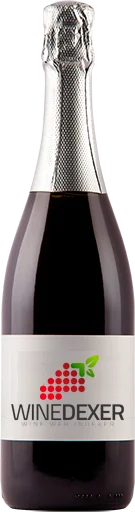
Winery Christian HartmannWeisser Secco
 Sparkling wine



This wine generally goes well with
Details and technical informations about Winery Christian Hartmann's Weisser Secco.
Discover the grape variety: Oeillade noire
Probably originating in the Languedoc, oeillade Noire is known by other names such as olhada, aragnan noir, ulhat, hulliade or croque. This variety should not be confused with Cinsault, which is highly productive, producing up to 5kg per vine, and is particularly noted for its drooping habit and vigour. The black eye is a late bloomer. Oidium, mildew and grey rot are its main enemies. It requires a rather short pruning, coulure and millerandage could harm its development and the grapes it would bear. It prefers a good exposure and reaches maturity around the second half of August. Its bunches are of medium size and its fruits have a great resemblance to those of the Cinsault. They have been eaten fresh at the table for a long time. The wine produced from this variety is quite alcoholic and has a colour similar to that of a cherry. The variety is no longer multiplied and seems to be on the way out.
Last vintages of this wine
The best vintages of Weisser Secco from Winery Christian Hartmann are 0
Informations about the Winery Christian Hartmann
The Winery Christian Hartmann is one of of the world's great estates. It offers 31 wines for sale in the of Pfalz to come and discover on site or to buy online.

The wine region of Pfalz
Pfalz is a key wine producing region in western Germany, located between the Rhein/Rhine river and the low-lying Haardt mountain range (a natural continuation of the Alsatian Vosges). It covers a rectangle of land 45 miles (75km) Long and 15 miles (25km) wide. To the NorthLiesRheinhessen; to the South, the French border and Alsace. In terms of both quality and quantity, Pfalz is one of Germany's most important regions, and one which shows great promise for the future.
The word of the wine: Sulphur
An antiseptic and antioxidant substance known since antiquity, probably already used by the Romans. But it was only in modern times that its use was rediscovered. It will allow a better conservation of the wine and thus favour its export. Sulphur also gave the 18th century winegrower the possibility of extending the maceration period without fearing that the wine would turn sour and thus go from dark rosé wines to the red wines of today. Excessive sulphur, on the other hand, kills happiness, paralysing the aromas and causing headaches.