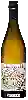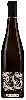
Winery Christian HartmannMandelberg Grauburgunder
 White wine
In the mouth this white wine is a .
This wine generally goes well with pork, cured meat or mushrooms.

Taste structure of the Mandelberg Grauburgunder from the Winery Christian Hartmann
Light | Bold | |
Dry | Sweet | |
Soft | Acidic |
In the mouth the Mandelberg Grauburgunder of Winery Christian Hartmann in the region of Pfalz is a .
Food and wine pairings with Mandelberg Grauburgunder
Pairings that work perfectly with Mandelberg Grauburgunder


Original food and wine pairings with Mandelberg Grauburgunder

The Mandelberg Grauburgunder of Winery Christian Hartmann matches generally quite well with dishes of pork, spicy food or mushrooms such as recipes of eggs in meurette, cicadas at the chib or sea bream fillets with mushrooms and cream.
Details and technical informations about Winery Christian Hartmann's Mandelberg Grauburgunder.
Discover the grape variety: Borgonja
Structured, elegant reds with a deep ruby hue, firm and smooth tannins and a dense palate with fresh acidity; signature aromas of red fruits (morello cherry, raspberry), dark fruits (blackberry), spices, black pepper and mineral notes. Fine ageing potential. Grown in continental Croatia, Slavonia and the Balkans for characterful dry reds. Croatian synonym for Austrian Blaufränkisch (= Hungarian Kékfrankos, German Lemberger), native Central European black grape.
Informations about the Winery Christian Hartmann
The Winery Christian Hartmann is one of of the world's greatest estates. It offers 31 wines for sale in the of Pfalz to come and discover on site or to buy online.

The wine region of Pfalz
Fleshy, dry, fruity Riesling is the region's signature: yellow peach, apricot, ripe citrus, lovely mineral tension. Germany's largest red-wine area (40%), with silky Spätburgunder showing red fruit and spice, darker structured Dornfelder, supple Portugieser. Some rounded Pinot Blanc and Pinot Gris. A 23,640 ha vineyard along the Haardt, among Germany's warmest (>2,000 h of sun).
The word of the wine: Foaming
Name given to the second alcoholic fermentation that sparkling wines undergo. It gives rise to a release of carbon dioxide in the bottle.