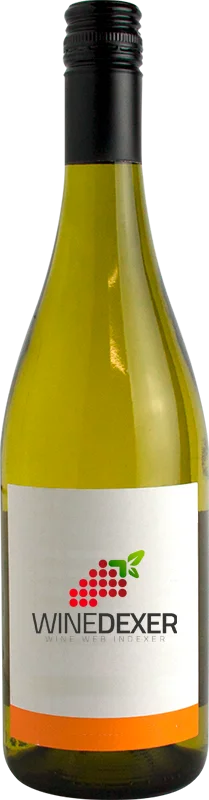
Winery Christian CousinFruite Sauvignon
 White wine


This wine generally goes well with vegetarian, rich fish (salmon, tuna etc) or shellfish.

Food and wine pairings with Fruite Sauvignon
Pairings that work perfectly with Fruite Sauvignon



Original food and wine pairings with Fruite Sauvignon
The Fruite Sauvignon of Winery Christian Cousin matches generally quite well with dishes of rich fish (salmon, tuna etc), shellfish or vegetarian such as recipes of barbecued mackerel papillotes, zarzuela mayonapo or zucchini and goat cheese quiche.
Details and technical informations about Winery Christian Cousin's Fruite Sauvignon.
Discover the grape variety: Viosinho
Structured, aromatic dry whites with a pale golden colour, an ample palate and preserved acidity, showing refined aromas of citrus (lemon, orange), white flowers (acacia, orange blossom), yellow fruits (pear, peach, apricot) and schistous mineral notes. Fine ageing and cellaring potential. An essential component of the great whites of Douro DOC and white Port. Indigenous Portuguese variety of the Douro and Trás-os-Montes, signature of north-eastern Portugal.
Last vintages of this wine
The best vintages of Fruite Sauvignon from Winery Christian Cousin are 2015, 2016
Informations about the Winery Christian Cousin
The Winery Christian Cousin is one of of the world's greatest estates. It offers 24 wines for sale in the of Loire Valley to come and discover on site or to buy online.

The wine region of Loire Valley
Kingdom of lively, dry whites and fine sparklers. Mineral, taut Sauvignon Blanc (Sancerre, Pouilly-Fumé) with citrus and gunflint notes. Multiform Chenin Blanc (Vouvray, Savennières, Layon): straight dry, floral off-dry or noble sweet honey-quince. Saline, iodised Muscadet (Melon B.
The word of the wine: Malolactic fermentation
Called second fermentation or malo for short. It is the degradation (under the effect of bacteria) of the malic acid naturally present in the wine into milder, less aggressive lactic acid. Some producers or wineries refuse this operation by "blocking the malo" (by cold and adding SO2) to keep a maximum of acidity which carries the aromas and accentuates the sensation of freshness.