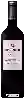
Winery Gran Feudo201 Barricas Edición Limitada Reserva
 wine
wine
This wine generally goes well with
The 201 Barricas Edición Limitada Reserva of the Winery Gran Feudo is in the top 0 of wines of Navarre.
Details and technical informations about Winery Gran Feudo's 201 Barricas Edición Limitada Reserva.
Discover the grape variety: Frühburgunder
Informations about the Winery Gran Feudo
The Winery Gran Feudo is one of of the world's great estates. It offers 25 wines for sale in the of Navarre to come and discover on site or to buy online.

The wine region of Navarre
Spanish reference for great Garnacha rosés: raspberry-pink colour, notes of crushed strawberry, cherry, citrus and white flowers, dry and gourmet palate. The emblematic grape (~70% of reds in the past), also in supple, sun-filled reds. Tempranillo on the rise in modern blends, fine spicy Graciano, Cabernet and Merlot. Fresh Chardonnay and Viura whites.
The word of the wine: Flavours (families of)
Aromas are classified into categories called families of aromas: fruity, floral, fermentative, vegetal, woody, balsamic, spicy, mineral, empyreumatic, animal.