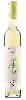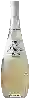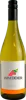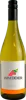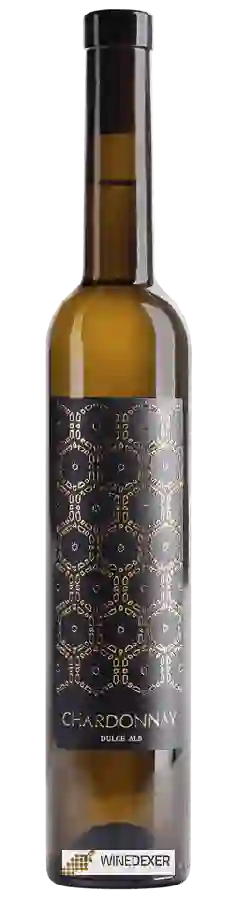
Château VartelyChardonnay Dulce Alb
 Sweet wine


This wine generally goes well with pork, vegetarian or poultry.
The Chardonnay Dulce Alb of the Château Vartely is in the top 20 of wines of Moldova and in the top 10 of wines of Moldavie.

Wine flavors and olphactive analysis




On the nose the Chardonnay Dulce Alb of Château Vartely in the region of Moldavie often reveals types of flavors of earth, microbio or oak and sometimes also flavors of tree fruit, citrus fruit or dried fruit.
Food and wine pairings with Chardonnay Dulce Alb
Pairings that work perfectly with Chardonnay Dulce Alb



Original food and wine pairings with Chardonnay Dulce Alb

The Chardonnay Dulce Alb of Château Vartely matches generally quite well with dishes of pork, rich fish (salmon, tuna etc) or vegetarian such as recipes of chicken ballotine with ham and mushrooms, papillotes of simple salmon steaks or light tuna-tomato quiche (without cream).
Details and technical informations about Château Vartely's Chardonnay Dulce Alb.
Discover the grape variety: Chardonnay
Whites with many faces: mineral and taut at Chablis (lemon, green apple, flint), opulent and buttery at Meursault and Puligny-Montrachet (hazelnut, brioche, yellow fruits), tense and chalky in Champagne (Blanc de Blancs). Also vinified sparkling and widely exported (Sonoma, Margaret River, Casablanca). A Burgundian variety, a cross of Pinot Noir × Gouais Blanc, half-sibling of Aligoté.
Last vintages of this wine

The best vintages of Chardonnay Dulce Alb from Château Vartely are 2013, 0, 2014, 2015
Informations about the Château Vartely
The Château Vartely is one of of the world's greatest estates. It offers 79 wines for sale in the of Moldavie to come and discover on site or to buy online.

The wine region of Moldavie
Ancestral vineyard with identity grapes. Fetească Neagră, great Moldovan red reference: deep with notes of ripe plum, black cherry, spice and tobacco, melted tannins. Lighter, more floral Rară Neagră (Băbească). Dense tinctorial Saperavi.
The word of the wine: Mouth
The mouth is the third stage of wine tasting after the eye and nose. In the mouth, the taster identifies the aromas through the retronasal route, the flavours and the texture. It is in the mouth that the overall balance of the wine is apprehended.