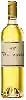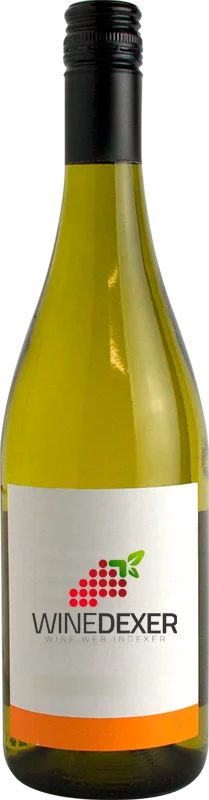
Château Raspide (fr)Sauternes
 Sweet wine
This wine generally goes well with fruity desserts and blue cheese.
Food and wine pairings with Sauternes
Pairings that work perfectly with Sauternes


Original food and wine pairings with Sauternes
The Sauternes of Château Raspide (fr) matches generally quite well with dishes of fruity desserts or blue cheese such as recipes of apple cake or pie with bacon, roquefort cheese and gruyère.
Details and technical informations about Château Raspide (fr)'s Sauternes.
Discover the grape variety: Krakhouna
It is believed to have originated in Georgia, where it is grown as both a table and wine grape. In France it is not known.
Informations about the Château Raspide (fr)
The Château Raspide (fr) is one of of the world's greatest estates. It offers 1 wines for sale in the of Sauternes to come and discover on site or to buy online.

The wine region of Sauternes
Sauternes, 65 km South of Bordeaux, is a Village renowned for its high quality Sweet wines. Although some wineries produce Dry wines, they sell them under other appellations than Sauternes, which is specific to sweet wines. The village is surrounded on all sides by vineyards, the best of which produce some of the most prestigious, long-lasting and expensive dessert wines in the world. A half bottle of premium, aged Sauternes from a good Vintage can sell for over $1,000.
The wine region of Bordeaux
Bordeaux, in southwestern France, is one of the most famous, prestigious and prolific wine regions in the world. The majority of Bordeaux wines (nearly 90% of the production Volume) are the Dry, medium and Full-bodied red Bordeaux blends for which it is famous. The finest (and most expensive) are the wines of the great châteaux of Haut-Médoc and the right bank appellations of Saint-Émilion and Pomerol. The former focuses (at the highest level) on Cabernet Sauvignon, the latter on Merlot.
The word of the wine: Food and wine pairing
It is the set of techniques that allow for the pleasant combination of food and wine. Food and wine pairing is based on a few basic principles, such as similarity, complementarity or contrast, and involves all the elements that make up the wine and the food (flavours, textures, aromas, etc.).