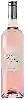
Château le RaulyL'essentiel Bergerac Rosé
 Pink wine
This wine generally goes well with
Details and technical informations about Château le Rauly's L'essentiel Bergerac Rosé.
Discover the grape variety: Milgranet
Milgranet noir is a grape variety that originated in France (Tarn-et-Garonne). It produces a variety of grape specially used for wine making. It is rare to find this grape to eat on our tables. This variety of grape is characterized by medium-sized bunches and small grapes. The Milgranet noir can be found cultivated in these vineyards: South-West, Cognac, Bordeaux, Provence & Corsica, Rhone Valley.
Informations about the Château le Rauly
The Château le Rauly is one of of the world's great estates. It offers 30 wines for sale in the of Bergerac to come and discover on site or to buy online.

The wine region of Bergerac
The wine region of Bergerac is located in the region of Guyenne of South West of France. Wineries and vineyards like the Château Tour des Gendres or the Vignoble des Verdots produce mainly wines red, white and pink. The most planted grape varieties in the region of Bergerac are Merlot, Cabernet-Sauvignon and Cabernet franc, they are then used in wines in blends or as a single variety. On the nose of Bergerac often reveals types of flavors of non oak, yeast or black currant and sometimes also flavors of mint, pineapple or cream.
The wine region of South West
The South-West is a large territorial area of France, comprising the administrative regions of Aquitaine, Limousin and Midi-Pyrénées. However, as far as the French wine area is concerned, the South-West region is a little less clear-cut, as it excludes Bordeaux - a wine region so productive that it is de facto an area in its own right. The wines of the South West have a Long and eventful history. The local rivers play a key role, as they were the main trade routes to bring wines from traditional regions such as Cahors, Bergerac, Buzet and Gaillac to their markets.
The word of the wine: Removal of shoes
In the spring, this operation consists of removing the mound of earth formed at the foot of the vines by ploughing between the rows in the autumn.