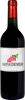
Château La Font du ParcCuvée Tradition Bergerac
 Red wine
This wine generally goes well with beef and game (deer, venison).

Food and wine pairings with Cuvée Tradition Bergerac
Pairings that work perfectly with Cuvée Tradition Bergerac


Original food and wine pairings with Cuvée Tradition Bergerac
The Cuvée Tradition Bergerac of Château La Font du Parc matches generally quite well with dishes of beef or game (deer, venison) such as recipes of beef strogonoff or watercress salad with vitamins.
Details and technical informations about Château La Font du Parc's Cuvée Tradition Bergerac.
Discover the grape variety: Merlot
Round and fleshy reds with a velvety texture, showing aromas of ripe plum, black cherry, cocoa and truffle notes with age. Supple tannins, generous alcohol, indulgent finish. Pillar of Libournais (Pomerol with Pétrus, Saint-Émilion with Cheval Blanc and Ausone) and signature of Super Tuscans, Italian Wales and Washington State. A cross of Cabernet Franc × Magdeleine Noire, France's most planted red variety.
Informations about the Château La Font du Parc
The Château La Font du Parc is one of of the world's greatest estates. It offers 5 wines for sale in the of Bergerac to come and discover on site or to buy online.

The wine region of Bergerac
Affordable cousin of Bordeaux on the Dordogne: signature Merlot-based reds (~65%) — round and fruity with notes of plum, black cherry, blackberry, sweet spices and a tobacco touch, supple tannins, to drink young. Cabernet Sauvignon, Cabernet Franc and Malbec as support. Fresh rosés (~20%). Signature dry and sweet whites (~15%) from Sémillon, Sauvignon and Muscadelle with notes of citrus, boxwood, flowers and honey for the sweet ones.
The wine region of South West
French mosaic of strong identities south of Bordeaux. Cahors and its Malbec ("black wine"): deep reds with notes of blackberry, plum, violet, tobacco and cocoa, firm tannins. Madiran and its dense, age-worthy Tannat. Jurançon whites: golden sweet (apricot, honey, pineapple) and lively dry from Petit Manseng.
The word of the wine: Phylloxera
Aphid that came from America and ravaged European vineyards at the end of the 19th century. It lives on the roots of the vine, from which it pumps the sap. The only vines capable of resisting it had to be imported from the United States, and then grafted onto their root system the wood of traditional French grape varieties. Today, grafted vines are always planted.