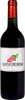
Château de la Vieille ChapelleC'est Bon Le Vin
 Red wine
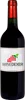
This wine is a blend of 6 varietals which are the Bouchalès, the Cabernet franc, the Cabernet-Sauvignon, the Carmenère, the Malbec and the Merlot.
This wine generally goes well with poultry, beef or veal.

Food and wine pairings with C'est Bon Le Vin
Pairings that work perfectly with C'est Bon Le Vin



Original food and wine pairings with C'est Bon Le Vin

The C'est Bon Le Vin of Château de la Vieille Chapelle matches generally quite well with dishes of beef, veal or game (deer, venison) such as recipes of pork shoulder with mustard, osso bucco or boar in civet.
Details and technical informations about Château de la Vieille Chapelle's C'est Bon Le Vin.
Discover the grape variety: Bouchalès
Light and fruity reds with a clear ruby robe, barely noticeable tannins and a supple palate, with simple aromas of red fruits (cherry, raspberry, strawberry), soft spices and floral notes. A rustic airy profile to drink young. Often blended with Abouriou, Merlot and Cabernet Franc, it contributes to the AOC Côtes-du-Marmandais reds and reflects the South-West heritage. Native French black grape from the South-West (Côtes-du-Marmandais, Buzet).
Informations about the Château de la Vieille Chapelle
The Château de la Vieille Chapelle is one of of the world's greatest estates. It offers 12 wines for sale in the of Bordeaux Supérieur to come and discover on site or to buy online.

The wine region of Bordeaux Supérieur
Quality expression of generic Bordeaux: more concentrated, structured reds suited to 3-7 years' ageing, dominated by round Merlot (plum, black fruits), with firm Cabernet Sauvignon (blackcurrant, cedar), Cabernet Franc and Petit Verdot for the tannic frame. Stricter rules: higher planting density, limited yields, higher alcohol, longer ageing (often 12 months). Across the whole Gironde. Affordable yet serious Bordeaux, perfect at the table.
The wine region of Bordeaux
World-renowned age-worthy reds, led by round Merlot (plum, black fruit) or firm Cabernet Sauvignon (blackcurrant, cedar, graphite), blended with Cabernet Franc and Petit Verdot for tannic structure. Structured Médoc and Graves, velvety Saint-Émilion and Pomerol. Also crisp dry whites (Sauvignon/Sémillon) and opulent sweet Sauternes with honey and candied fruit. A 110,000 ha Gironde vineyard, 65 appellations, cradle of the 1855 classified growths.
The word of the wine: Draft liquor (champagne)
After blending, the wine is bottled with a liqueur de tirage (a mixture of sugar and wine) and a yeast (selected yeasts). The yeast attacks the sugar and creates carbon dioxide. The fermentation, which lasts about two months, is prolonged by an ageing period (15 months minimum in total). The bottle is capped (some rare vintages are capped with a staple and a cork).