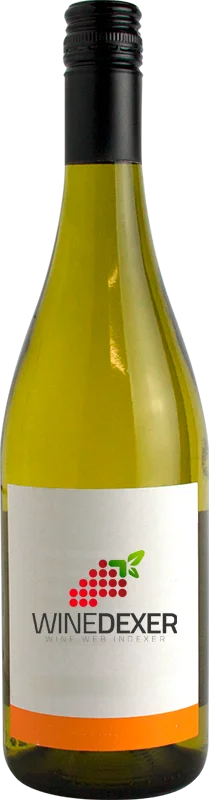
Château de CercyBeaujolais Blanc
 White wine



This wine generally goes well with pork, vegetarian or poultry.

Food and wine pairings with Beaujolais Blanc
Pairings that work perfectly with Beaujolais Blanc



Original food and wine pairings with Beaujolais Blanc

The Beaujolais Blanc of Château de Cercy matches generally quite well with dishes of pork, rich fish (salmon, tuna etc) or vegetarian such as recipes of baked dumplings, quick smoked salmon croque-monsieur or quiche lorraine.
Details and technical informations about Château de Cercy's Beaujolais Blanc.
Discover the grape variety: Chardonnay
Whites with many faces: mineral and taut at Chablis (lemon, green apple, flint), opulent and buttery at Meursault and Puligny-Montrachet (hazelnut, brioche, yellow fruits), tense and chalky in Champagne (Blanc de Blancs). Also vinified sparkling and widely exported (Sonoma, Margaret River, Casablanca). A Burgundian variety, a cross of Pinot Noir × Gouais Blanc, half-sibling of Aligoté.
Informations about the Château de Cercy
The Château de Cercy is one of of the world's great estates. It offers 17 wines for sale in the of Beaujolais to come and discover on site or to buy online.

The wine region of Beaujolais
Kingdom of Gamay (98% of the vineyard): fruity, accessible reds with signature notes of cherry, raspberry, banana (carbonic maceration), violet and sweet spices, supple tannins and juicy acidity. From festive Beaujolais Nouveau (3rd Thursday of November) to the 10 more structured, age-worthy Crus: deep earthy Morgon, sturdy Moulin-à-Vent, floral Fleurie, crunchy Brouilly. Some lively Chardonnay. 12,000 ha south of Burgundy, granitic soils.
The word of the wine: Sulphating
Treatment, formerly practiced with copper sulfate, applied to the vine to prevent cryptogamic diseases.