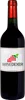
Winery Chapelle de VatreFleurie
 Red wine
In the mouth this red wine is a with a nice freshness.
This wine generally goes well with pork, poultry or veal.
Taste structure of the Fleurie from the Winery Chapelle de Vatre
Light | Bold | |
Smooth | Tannic | |
Dry | Sweet | |
Soft | Acidic |
In the mouth the Fleurie of Winery Chapelle de Vatre in the region of Beaujolais is a with a nice freshness.
Food and wine pairings with Fleurie
Pairings that work perfectly with Fleurie



Original food and wine pairings with Fleurie

The Fleurie of Winery Chapelle de Vatre matches generally quite well with dishes of pasta, veal or pork such as recipes of chinese noodles with vegetables, guinea fowl with olives or quiche lorraine.
Details and technical informations about Winery Chapelle de Vatre's Fleurie.
Discover the grape variety: Himrod
An interspecific cross between ontario (winchell x diamond) and sultana - it is therefore not a pure Vitis vinifera as some people write - created in 1928 by A.B. Stout at the New York State Agricultural Experimental Station (United States). Its multiplication started only in 1952, it is certainly known in the United States but also in Canada, in India, in many European wine-producing countries, ... little multiplied and thus little known in France except by the amateur gardeners. The Interlaken which looks a bit like the Himrod, the Lakemont and the Romulus have the same parents.
Informations about the Winery Chapelle de Vatre
The Winery Chapelle de Vatre is one of of the world's greatest estates. It offers 5 wines for sale in the of Beaujolais to come and discover on site or to buy online.

The wine region of Beaujolais
Beaujolais is an important wine region in eastern France, famous for its vibrant, Fruity red wines made from Gamay. It is located immediately South of Burgundy, of which it is sometimes considered a Part, although it is in the administrative region of Rhône. The extensive plantings of Gamay in this region make Beaujolais one of the few regions in the world that is so concentrated on a single Grape variety. Pinot Noir is used in small quantities in red and rosé wines, but in the name of regional identity, it is being phased out and will only be allowed until the 2015 harvest.
The word of the wine: Decanter
1) Glass container with a narrow neck used to aerate or decant the wine. 2) Decanter wines: wines that are drunk young and that were once drawn directly from the barrel. For example, some Muscadets or Beaujolais.