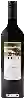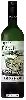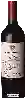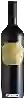
Winery Chais Saint BernardGolse Corbières
 Red wine
This wine generally goes well with beef, veal or pasta.

Food and wine pairings with Golse Corbières
Pairings that work perfectly with Golse Corbières



Original food and wine pairings with Golse Corbières
The Golse Corbières of Winery Chais Saint Bernard matches generally quite well with dishes of beef, pasta or veal such as recipes of monkfish (anglerfish) à la sétoise, chicken wok with chinese noodles or chicken in sauce.
Details and technical informations about Winery Chais Saint Bernard's Golse Corbières.
Discover the grape variety: Gamay noir à jus blanc
Supple, fruity reds to drink young with a clear ruby robe, supple tannins and a light palate, featuring signature aromas of strawberry, raspberry, banana (Beaujolais Nouveau with carbonic maceration) and floral notes (peony). Star of the ten Beaujolais AOC crus (Moulin-à-Vent, Morgon, Fleurie, Brouilly…) and Beaujolais-Villages AOC, the typical expression of granitic soils. Official synonym of French Gamay from Burgundy, as opposed to teinturiers (Bouze, Chaudenay, Fréaux).
Informations about the Winery Chais Saint Bernard
The Winery Chais Saint Bernard is one of wineries to follow in Corbières.. It offers 105 wines for sale in the of Corbières to come and discover on site or to buy online.

The wine region of Corbières
Largest AOC in Languedoc, 95% Mediterranean reds. Signature old-vine Carignan (up to 60%): fleshy reds with black fruit, garrigue, black olive, spice and tight tannins. Blended with round, sunny Grenache, peppery Syrah, dense Mourvèdre and supple Cinsault. A few fresh rosés and whites (Grenache Blanc, Roussanne).
The wine region of Languedoc-Roussillon
Largest single French vineyard, dominated by sunny, generous reds. Spicy Syrah, candied Grenache (ripe fruit, garrigue), structured Carignan, deep Mourvèdre, supple Cinsault. Stars: structured Corbières, Minervois, Faugères, Saint-Chinian; round Côtes-du-Roussillon. Legendary vins doux naturels: Banyuls and Maury (fortified Grenache) with notes of cocoa, fig, prune.
The word of the wine: Maceration
Prolonged contact and exchange between the juice and the grape solids, especially the skin. Not to be confused with the time of fermentation, which follows maceration. The juice becomes loaded with colouring matter and tannins, and acquires aromas. For a rosé, the maceration is short so that the colour does not "rise" too much. For white wines too, a "pellicular maceration" can be practised, which allows the wine to acquire more fat.