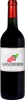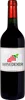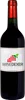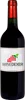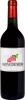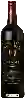
Winery Chais Saint BernardBelle Vigne Chateau d'Hautefeuille
 Red wine
This wine is a blend of 3 varietals which are the Cabernet franc, the Cabernet-Sauvignon and the Merlot.
This wine generally goes well with poultry, beef or veal.

Food and wine pairings with Belle Vigne Chateau d'Hautefeuille
Pairings that work perfectly with Belle Vigne Chateau d'Hautefeuille



Original food and wine pairings with Belle Vigne Chateau d'Hautefeuille

The Belle Vigne Chateau d'Hautefeuille of Winery Chais Saint Bernard matches generally quite well with dishes of beef, veal or game (deer, venison) such as recipes of oxtail with seed sauce, veal paupiettes with mushrooms or rabbit with beer and mustard.
Details and technical informations about Winery Chais Saint Bernard's Belle Vigne Chateau d'Hautefeuille.
Discover the grape variety: Cabernet franc
Supple, fragrant reds with fine tannins and vibrant freshness, showing raspberry, violet, green pepper, pencil lead and gentle spice aromas. Star of the Loire as a single variety (Chinon, Bourgueil, Saumur-Champigny) and of the right bank of Bordeaux in blends (Cheval Blanc at 60%). Also in semi-dry Anjou rosés. A historic Bordeaux variety, parent of Cabernet-Sauvignon, Merlot and Carmenère.
Informations about the Winery Chais Saint Bernard
The Winery Chais Saint Bernard is one of of the world's great estates. It offers 105 wines for sale in the of Bordeaux to come and discover on site or to buy online.

The wine region of Bordeaux
World-renowned age-worthy reds, led by round Merlot (plum, black fruit) or firm Cabernet Sauvignon (blackcurrant, cedar, graphite), blended with Cabernet Franc and Petit Verdot for tannic structure. Structured Médoc and Graves, velvety Saint-Émilion and Pomerol. Also crisp dry whites (Sauvignon/Sémillon) and opulent sweet Sauternes with honey and candied fruit. A 110,000 ha Gironde vineyard, 65 appellations, cradle of the 1855 classified growths.
The word of the wine: Deposit
Solid particles that can naturally coat the bottom of a bottle of wine. It is rather a guarantee that the wine has not been mistreated: in fact, to avoid the natural deposit, rather violent processes of filtration or cold passage (- 7 or - 8 °C) are used in order to precipitate the tartar (the small white crystals that some people confuse with crystallized sugar: just taste to dissuade you from it)