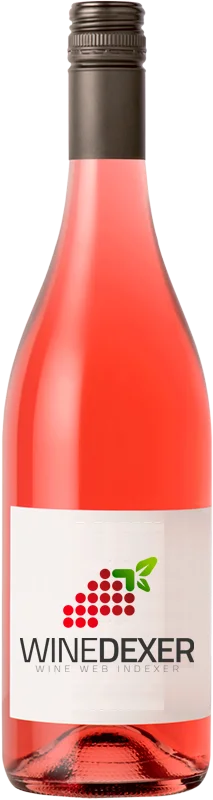
Winery Cellier de Saint-JeanFrais - Fruité Syrah Rosé
 Pink wine



This wine generally goes well with beef, lamb or mature and hard cheese.

Food and wine pairings with Frais - Fruité Syrah Rosé
Pairings that work perfectly with Frais - Fruité Syrah Rosé



Original food and wine pairings with Frais - Fruité Syrah Rosé

The Frais - Fruité Syrah Rosé of Winery Cellier de Saint-Jean matches generally quite well with dishes of beef, lamb or spicy food such as recipes of beef tenderloin wellington, rack of lamb in a crust of herbs and seeds with thyme juice and... or monkfish (anglerfish) à la sétoise.
Details and technical informations about Winery Cellier de Saint-Jean's Frais - Fruité Syrah Rosé.
Discover the grape variety: Muscat Ottonel
Delicate and fine muscat whites with a tender palate and moderate acidity, on intense and refined aromas of orange blossom, rose, fresh grape, citrus, white peach and airy muscat (more subtle than Muscat Blanc à Petits Grains). Made as aromatic dry aperitif whites (Alsace, Baden), off-dry and sumptuous botrytised liquoreux (Burgenland in Austria, Cotnari in Romania, Tokaj). Created in the 19th century by Robert Moreau (Angers), a cross of Chasselas × Muscat de Saumur.
Last vintages of this wine
The best vintages of Frais - Fruité Syrah Rosé from Winery Cellier de Saint-Jean are 2017, 2016, 2015
Informations about the Winery Cellier de Saint-Jean
The Winery Cellier de Saint-Jean is one of of the world's great estates. It offers 18 wines for sale in the of Pays d'Oc to come and discover on site or to buy online.

The wine region of Pays d'Oc
The single-grape IGP par excellence: modern, accessible, frank and fruity wines, the popular signature of the Midi. Spicy Syrah reds (pepper, blackberry), round Merlot, structured Cabernet, generous Grenache, supple Cinsault. Crisp, tangy rosés. Opulent Chardonnay whites, lively Sauvignon, floral, apricoty Viognier.
The word of the wine: Thermoregulation
Control of the vinification temperatures (by circulating hot or cold water on the walls of the vats, for example). This is a major step forward, which in particular helps to preserve the freshness of the aromas threatened by excessive temperature rises during fermentation.


