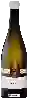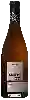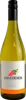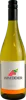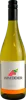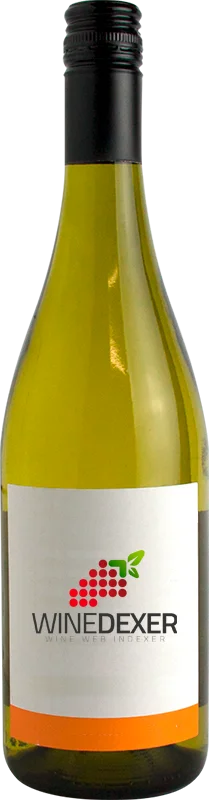
Winery Collbaix Celler El MolíEl Sagal de Collbaix Blanc
 White wine


This wine generally goes well with

Details and technical informations about Winery Collbaix Celler El Molí's El Sagal de Collbaix Blanc.
Discover the grape variety: Tchkhaveri
Elegant, light reds with a pale ruby robe, fine tannins and a silky palate with preserved acidity, with signature aromas of red fruits (cherry, raspberry), gentle spices and floral notes. Also fresh rosés. Often vinified using the traditional qvevri method; defines the viticultural identity of Guria. Indigenous Georgian black variety grown mainly in the Guria region in western Georgia.
Last vintages of this wine

The best vintages of El Sagal de Collbaix Blanc from Winery Collbaix Celler El Molí are 0, 2018
Informations about the Winery Collbaix Celler El Molí
The Winery Collbaix Celler El Molí is one of of the world's great estates. It offers 16 wines for sale in the of Pla de Bages to come and discover on site or to buy online.

The wine region of Pla de Bages
Small Catalan DO 50 km northwest of Barcelona, clay-limestone basin at 200-500 m, dry Mediterranean-continental climate. Picapoll is the signature white king (indigenous): lively and aromatic with green apple, citrus, lavender, thyme, rosemary and pine touch — imprint of Mediterranean herbs. Tense Macabeo and Parellada (Cava grapes). Ull de Llebre (Tempranillo) fruity red, dense Cabernet, Merlot, Syrah.
The wine region of Catalogne
Cradle of Cava (~95% of Spanish output, traditional method): Macabeo, Xarel-lo, Parellada trilogy, fine fruity bubble. Quality peak in Priorat DOCa: dense, mineral reds on llicorella (schist), old-vine Garnacha and Cariñena with black fruit, garrigue notes, firm tannins. Also Penedès, fleshy Montsant, sunny Empordà, Costers del Segre. Mediterranean.
The word of the wine: Fade in
Said of a wine whose different elements are perceived in the mouth in a pleasant and harmonious way.