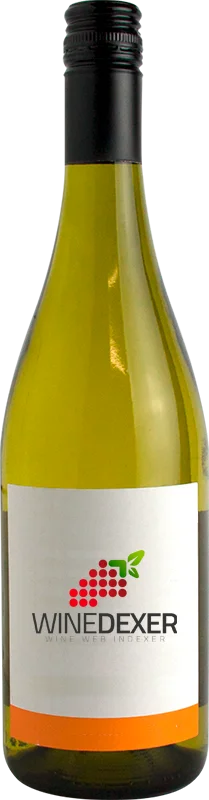
Winery CazalisChâteau de L'Espérance Bordeaux Blanc Sec
 White wine
This wine generally goes well with pork, vegetarian or poultry.
Food and wine pairings with Château de L'Espérance Bordeaux Blanc Sec
Pairings that work perfectly with Château de L'Espérance Bordeaux Blanc Sec



Original food and wine pairings with Château de L'Espérance Bordeaux Blanc Sec


The Château de L'Espérance Bordeaux Blanc Sec of Winery Cazalis matches generally quite well with dishes of pork, vegetarian or poultry such as recipes of summer orecchiette, magic cake cheese quiche or turkey blanquette with mushrooms.
Details and technical informations about Winery Cazalis's Château de L'Espérance Bordeaux Blanc Sec.
Discover the grape variety: Prosecco
It is said to be of Slovenian origin, where it is cultivated under the name of Prosekar, also known for a long time in Italy under the name of Glera. It should not be confused with prosecco lungo - although there is a family link - and prosecco nostrano, which is none other than Tuscany's malvasia. Note that Vitouska - another Italian grape variety - is the result of a natural intraspecific cross between Tuscan malvasia and Prosecco. Under the name of Glera, it is registered in the Official Catalogue of wine grape varieties list A. It can be found in practically all of the former Yugoslavia, and more surprisingly in Argentina, but is virtually unknown in France.
Informations about the Winery Cazalis
The Winery Cazalis is one of of the world's greatest estates. It offers 4 wines for sale in the of Bordeaux to come and discover on site or to buy online.

The wine region of Bordeaux
Bordeaux, in southwestern France, is one of the most famous, prestigious and prolific wine regions in the world. The majority of Bordeaux wines (nearly 90% of the production Volume) are the Dry, medium and Full-bodied red Bordeaux blends for which it is famous. The finest (and most expensive) are the wines of the great châteaux of Haut-Médoc and the right bank appellations of Saint-Émilion and Pomerol. The former focuses (at the highest level) on Cabernet Sauvignon, the latter on Merlot.
The word of the wine: Rootstock
American vine on which a French vine is grafted. This is the consequence of the phylloxera that destroyed the vineyard at the end of the 19th century: after much trial and error, it was discovered that the "pest" spared the roots of the American vines, and the technique became widespread.