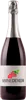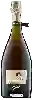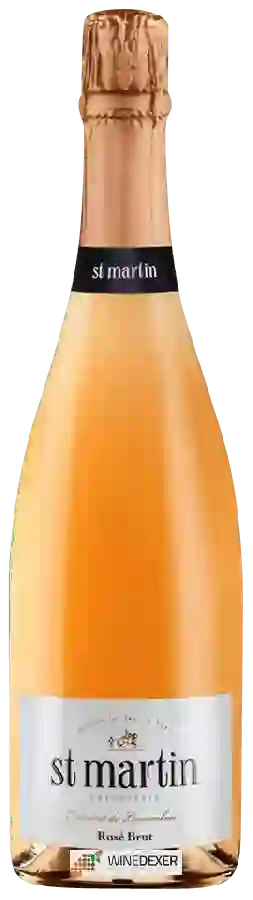
Caves St MartinCrémant de Luxembourg Rosé Brut
 Sparkling wine



This wine generally goes well with
The Crémant de Luxembourg Rosé Brut of the Caves St Martin is in the top 70 of wines of Germany and in the top 70 of wines of Mosel.
Wine flavors and olphactive analysis


On the nose the Crémant de Luxembourg Rosé Brut of Caves St Martin in the region of Mosel often reveals types of flavors of tree fruit, citrus fruit or red fruit.
Details and technical informations about Caves St Martin's Crémant de Luxembourg Rosé Brut.
Discover the grape variety: Dabouki
It is most certainly Syrian. By crossing it with the Chasselas, we obtained the Danlas variety, which, by its foliage, somewhat resembles that of its mother the Dabouki. It can be found in Israel, Jordan, Palestine, Syria, Lebanon, Algeria, Tunisia, Morocco, etc. In France it is practically endangered, but it is still listed in the Official Catalogue of Table Grape Varieties, list A1.
Last vintages of this wine
The best vintages of Crémant de Luxembourg Rosé Brut from Caves St Martin are 2008, 1919, 0
Informations about the Caves St Martin
The Caves St Martin is one of of the world's greatest estates. It offers 48 wines for sale in the of Mosel to come and discover on site or to buy online.

The wine region of Mosel
Mosel is the most famous of Germany's 13 official wine regions, and also the third largest in terms of production. As with many German regions, it is most aasociated with a range of wine styles made from the Riesling grape variety, but Müller-Thurgau is also widely planted. The best Mosel Riesling wines are some of the finest whites in the world. Light and low in Alcohol, they can be intensely fragrant with beguiling Floral">floral and Mineral notes, and a wonderful Balance of sweetness and Acidity.
The word of the wine: Grand cru classé
In the Bordeaux region, this refers to certain châteaux in the Médoc and also in Saint-Émilion which are classified.