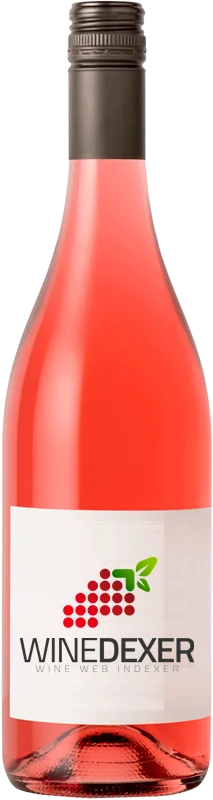
Caves RendeiroLev.Me Leve Colheita Selecionada Rosé
 Pink wine


This wine generally goes well with

Details and technical informations about Caves Rendeiro's Lev.Me Leve Colheita Selecionada Rosé.
Discover the grape variety: Bical
Lively, structured dry whites with a pale golden robe, a taut palate and a signature high acidity, with refined aromas of citrus (lemon, grapefruit), green apple, white flowers (acacia) and mineral notes. Fine ageing potential, bringing freshness and length to blends. A traditional component of the sparkling wines (espumantes) of Bairrada and dry whites of Dão DOC. Autochthonous Portuguese white variety from Bairrada and Dão.
Last vintages of this wine
The best vintages of Lev.Me Leve Colheita Selecionada Rosé from Caves Rendeiro are 2015, 0
Informations about the Caves Rendeiro
The Caves Rendeiro is one of of the world's greatest estates. It offers 18 wines for sale in the of Lisboa to come and discover on site or to buy online.

The wine region of Lisboa
Vast coastal IGP north of Lisbon, Portugal's largest producer by volume. Accessible, sun-filled reds: fruity, spicy Castelão, dense Touriga Nacional (black fruit, violet), fleshy Trincadeira, deep Alicante Bouschet. Fresh, mineral whites: straight, lemony Arinto (star of Bucelas), aromatic Fernão Pires, round Vital and Malvasia. Structured reds from Alenquer, sparkling at Óbidos.
The word of the wine: Basic wine
Dry, still wine intended for the production of sparkling wines (champagne, crémants, etc.). The basic wines undergo a second fermentation in the bottle for the production of carbon dioxide, and therefore of bubbles.