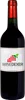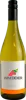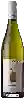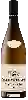
Caveau LamartineMâcon Blanc
 White wine
This wine generally goes well with vegetarian, cured meat or pasta.

Food and wine pairings with Mâcon Blanc
Pairings that work perfectly with Mâcon Blanc



Original food and wine pairings with Mâcon Blanc
The Mâcon Blanc of Caveau Lamartine matches generally quite well with dishes of pasta, vegetarian or cured meat such as recipes of pasta carbonara almost like the real thing, goat cheese and bacon quiche or beef bourguignon.
Details and technical informations about Caveau Lamartine's Mâcon Blanc.
Discover the grape variety: Rondinella
Light, fruity reds with a pale robe, discreet tannins and fresh acidity, showing aromas of red cherry, wild strawberry, gentle spice and herbal notes. A faithful companion to Corvina in the typical Valpolicella blends: fresh, gulpable Bardolino DOC, Valpolicella DOC, concentrated Amarone DOCG and sweet Recioto DOCG. A productive autochthonous variety from Veneto.
Informations about the Caveau Lamartine
The Caveau Lamartine is one of of the world's greatest estates. It offers 3 wines for sale in the of Mâcon to come and discover on site or to buy online.

The wine region of Mâcon
Vast flagship appellation of the Mâconnais (southern Burgundy): Chardonnay signature as the white king — pale gold with silvery glints, fresh and easy-drinking with notes of apple, pear, peach, apricot, citrus and a signature quince touch, vivid fruit-acidity balance. Gamay and Pinot Noir in supple fruity reds (cassis, blackberry, redcurrant, violet, undergrowth), melted tannins. AOC (1937), ~4,400 ha across 96 communes (Saône-et-Loire), limestone, clay and schist, semi-continental temperate.
The wine region of Burgundy
Absolute reference for great terroir wines: opulent, mineral Chardonnay in whites (chiselled Chablis, buttery Meursault, majestic Montrachet), fine and silky Pinot Noir in reds (full-bodied Gevrey, structured Pommard, delicate Volnay). Exceptional age-worthy wines with complex notes - red fruits, undergrowth, butter, hazelnut. Some lively Aligoté and light Gamay (Mâconnais). 29,500 ha, 84 tiered AOCs (Régionale, Village, 1er Cru, Grand Cru), 1,247 UNESCO Climats.
The word of the wine: Licking
Operation consisting in sanitizing a barrel by introducing a wick of ignited sulphur which produces a release of sulphurous gas.