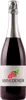
Caveau BugisteMolette
 White wine


This wine generally goes well with
The Molette of the Caveau Bugiste is in the top 30 of wines of Coteaux de l'Ain.
Details and technical informations about Caveau Bugiste's Molette.
Discover the grape variety: Molette
Crisp, light dry whites with a pale robe, a slender palate and preserved acidity of delicate citrus (lemon), white flowers (acacia), green apple and fresh mineral notes. An ideal profile for sparkling base wines thanks to its preserved acidity. Essential component of Seyssel AOC (still and sparkling) and Bugey AOC. Native French grape of Savoie and Bugey, signature of Savoyard sparkling wines.
Informations about the Caveau Bugiste
The Caveau Bugiste is one of of the world's great estates. It offers 35 wines for sale in the of Coteaux de l'Ain to come and discover on site or to buy online.

The wine region of Coteaux de l'Ain
Departmental IGP of the Bugey between the Jura, Switzerland, Savoy, Beaujolais and Burgundy (IGP 2011, Jurassic plateaux and Savoyard foothills, limestone draining soils, semi-continental with cool nights). Multi-regional blends: Gamay and Pinot Noir as light fruity low-tannin reds, Chardonnay and Aligoté as fresh whites, Jacquère, Altesse and Mondeuse from Savoy, Chasselas, Poulsard from the Jura and Molette as aromatic complements.
The wine region of Comtés Rhodaniens
Regional IGP (1989) covering 9 departments of the Rhône valley and Alpine foothills (Ardèche, Drôme, Isère, Savoie, Loire), hillside vineyards at 250-600 m. Syrah and Gamay are the signature reds with red and black fruit notes, pepper and violet, supple tannins — accessible and enjoyable style. Viognier, Marsanne and Roussanne for aromatic whites with apricot, peach, white flowers and honeyed notes. Taut Chardonnay and fine Pinot Noir on cooler zones.
The word of the wine: Deposit
Solid particles that can naturally coat the bottom of a bottle of wine. It is rather a guarantee that the wine has not been mistreated: in fact, to avoid the natural deposit, rather violent processes of filtration or cold passage (- 7 or - 8 °C) are used in order to precipitate the tartar (the small white crystals that some people confuse with crystallized sugar: just taste to dissuade you from it)