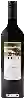
Cave des VigneronsDomaine de la Cloutade Corbières
 Red wine
This wine generally goes well with beef, veal or pasta.
Food and wine pairings with Domaine de la Cloutade Corbières
Pairings that work perfectly with Domaine de la Cloutade Corbières



Original food and wine pairings with Domaine de la Cloutade Corbières
The Domaine de la Cloutade Corbières of Cave des Vignerons matches generally quite well with dishes of beef, pasta or veal such as recipes of small stuffed fish from nice, chinese chicken soup or duck with orange.
Details and technical informations about Cave des Vignerons's Domaine de la Cloutade Corbières.
Discover the grape variety: Aubin blanc
A very old grape variety that was once grown in Lorraine, but is now almost no longer multiplied, although it is registered in the Official Catalogue of Wine Grape Varieties, list A1. According to Jean-Michel Boursiquot, it is the result of a natural intraspecific crossing between the white Gouais and the Savagnin. Aubin Blanc should not be confused with Aubin Vert, which is the result of an intraspecific cross between Gouais Blanc and Pinot Noir.
Informations about the Cave des Vignerons
The Cave des Vignerons is one of of the world's greatest estates. It offers 30 wines for sale in the of Corbières to come and discover on site or to buy online.

The wine region of Corbières
Corbières is an important appellation in the Languedoc-roussillon">Languedoc-Roussillon region of southern France. It is one of the best known and most productive appellations in the Languedoc. The Corbières vineyards produce large quantities of red and rosé wines, as well as a growing number of white wines. The reds are the strongest Part of the appellation; they are reputedly Rich and herbal, made from Grenache, Syrah, Mourvèdre, Lledoner Pelut and Carignan.
The wine region of Languedoc-Roussillon
Languedoc (formerly Coteaux du Languedoc) is a key appellation used in the Languedoc-Roussillon wine region of southern France. It covers Dry table wines of all three colors (red, white and rosé) from the entire region, but leaves Sweet and Sparkling wines to other more specialized appellations. About 75% of all Languedoc wines are red, with the remaining 25% split roughly down the middle between whites and rosés. The appellation covers most of the Languedoc region and almost a third of all the vineyards in France.
The word of the wine: Vinification of sweet wines
Moelleux and liquoreux wines are characterized by the presence of residual sugars (natural sugar of the grape), not transformed into alcohol under the effect of yeasts. The fermentation is stopped by cold and by the addition of sulphur dioxide (sulphur).