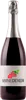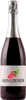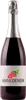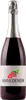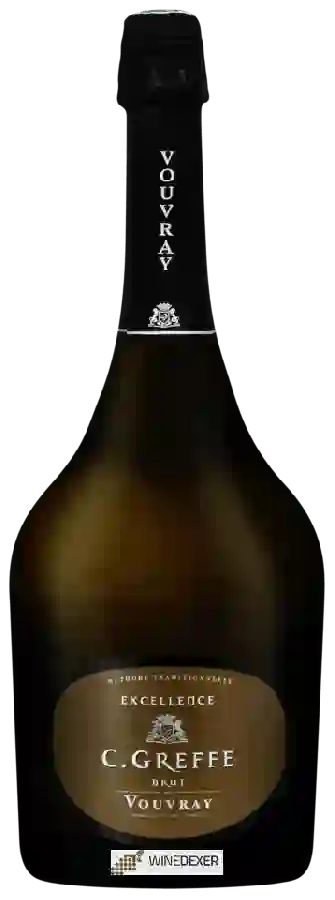
Cave des Producteurs de VouvrayC. Greffe Excellence Brut
 Sparkling wine



This wine generally goes well with

Wine flavors and olphactive analysis

On the nose the C. Greffe Excellence Brut of Cave des Producteurs de Vouvray in the region of Loire Valley often reveals types of flavors of pear, lemon zest or tree fruit and sometimes also flavors of citrus fruit.
Details and technical informations about Cave des Producteurs de Vouvray's C. Greffe Excellence Brut.
Discover the grape variety: Berdomenel
Simple, fresh dry whites with a pale golden robe, a supple palate with moderate acidity and undemonstrative aromas of citrus and white flowers. Discreet rustic profile. Preserved in some ampelographic collections as a heritage variety whose commercial diffusion has disappeared, studied for its genetic and historical interest. Rare, little-documented white grape grown in negligible quantities.
Last vintages of this wine
The best vintages of C. Greffe Excellence Brut from Cave des Producteurs de Vouvray are 2017
Informations about the Cave des Producteurs de Vouvray
The Cave des Producteurs de Vouvray is one of of the world's greatest estates. It offers 40 wines for sale in the of Vouvray to come and discover on site or to buy online.

The wine region of Vouvray
100% Chenin Blanc on the tuffeau slopes of Touraine: a unique stylistic palette from sparkling brut to botrytised sweet. Taut, straight dry with notes of green apple, citrus and chalk. Round, honeyed off-dry with ripe fruits. Opulent sweet and luscious wines with aromas of quince, honey and fruit paste from late harvest or noble rot.
The wine region of Loire Valley
Kingdom of lively, dry whites and fine sparklers. Mineral, taut Sauvignon Blanc (Sancerre, Pouilly-Fumé) with citrus and gunflint notes. Multiform Chenin Blanc (Vouvray, Savennières, Layon): straight dry, floral off-dry or noble sweet honey-quince. Saline, iodised Muscadet (Melon B.
The word of the wine: Courgée
Name of the fruiting branch left after pruning and which is then arched along the trellis in the Jura (in the Mâconnais, it is called the tail).