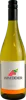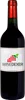
Cave des OasisSyrah
 Red wine
In the mouth this red wine is a powerful with a nice balance between acidity and tannins.
This wine generally goes well with poultry, beef or game (deer, venison).

Taste structure of the Syrah from the Cave des Oasis
Light | Bold | |
Smooth | Tannic | |
Dry | Sweet | |
Soft | Acidic |
In the mouth the Syrah of Cave des Oasis in the region of Valais is a powerful with a nice balance between acidity and tannins.
Food and wine pairings with Syrah
Pairings that work perfectly with Syrah



Original food and wine pairings with Syrah

The Syrah of Cave des Oasis matches generally quite well with dishes of beef, lamb or game (deer, venison) such as recipes of beef bourguignon with cookéo, ghormeh sabzi (iranian herbed lamb stew) or rabbit and mushroom gibelotte.
Details and technical informations about Cave des Oasis's Syrah.
Discover the grape variety: Couston
Light and simply fruity reds with a pale ruby colour, silky tannins and an airy palate with moderate acidity, featuring undemonstrative red fruit aromas. Discreet rustic profile. Almost extinct in commercial cultivation, preserved in INRAE varietal collections, it bears witness to the pre-phylloxera ampelographic diversity of the South-West and is among the heritage grape varieties under study. Rare French black grape, once grown in the South-West.
Informations about the Cave des Oasis
The Cave des Oasis is one of of the world's great estates. It offers 22 wines for sale in the of Valais to come and discover on site or to buy online.

The wine region of Valais
Switzerland's largest vineyard, capital of native grapes. Straight, precise alpine whites: light, floral Chasselas (Fendant), signature Petite Arvine with saline, grapefruit and rhubarb notes, rich, apricoty Amigne, mineral Humagne Blanche. Altitude reds: fine Pinot Noir, crisp Gamay, native Cornalin and Humagne Rouge, spicy and deep. Highly precise alpine age-worthy wines.
The word of the wine: Effervescent
Any wine loaded with CO2 (carbon dioxide), which is revealed in the form of bubbles, reinforcing the freshness effect in the mouth. This gas production is the result of what is called the second fermentation in the bottle. It occurs in champagnes and sparkling wines such as crémants.