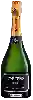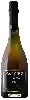
Cave AntigaProsecco Natural Brut
 Sparkling wine



In the mouth this sparkling wine is a with a nice vivacity and a fine and pleasant bubble.
This wine generally goes well with pork, rich fish (salmon, tuna etc) or shellfish.

Taste structure of the Prosecco Natural Brut from the Cave Antiga
Light | Bold | |
Soft | Acidic | |
Gentle | Fizzy |
In the mouth the Prosecco Natural Brut of Cave Antiga in the region of Rio Grande do Sul is a with a nice vivacity and a fine and pleasant bubble.
Food and wine pairings with Prosecco Natural Brut
Pairings that work perfectly with Prosecco Natural Brut



Original food and wine pairings with Prosecco Natural Brut
The Prosecco Natural Brut of Cave Antiga matches generally quite well with dishes of pork, rich fish (salmon, tuna etc) or shellfish such as recipes of coconut from paimpol, norwegian salmon parmentier or spaghetti with shrimp and cream.
Details and technical informations about Cave Antiga's Prosecco Natural Brut.
Discover the grape variety: Négret de Banhars
Light, fruity reds with a clear ruby colour, silky tannins and supple palate, showing simple aromas of red fruits (cherry, raspberry) and gentle spices. Airy profile, now almost extinct. Preserved in INRAE varietal collections, it is a witness to the pre-phylloxera ampelographic diversity of south-west France. Rare French black variety native to the south-west, studied for its patrimonial genetic interest among ancient cultivars.
Last vintages of this wine
The best vintages of Prosecco Natural Brut from Cave Antiga are 2015, 0
Informations about the Cave Antiga
The Cave Antiga is one of of the world's greatest estates. It offers 17 wines for sale in the of Serra Gaúcha to come and discover on site or to buy online.

The wine region of Serra Gaúcha
Brazil's wine capital, Rio Grande do Sul. Specialty: high-quality traditional-method sparklers, fine and fruity (apple, citrus, white flowers), elegant bubble, alpine expression of the south. Still wines mostly European: round fruity Merlot, firm Cabernet Sauvignon, more tannic Tannat, fresh Chardonnay, supple Riesling Italico, fine Pinot Noir. Marked by Italian immigration in 1875, humid climate tempered by altitude.
The wine region of Rio Grande do Sul
Brazil's winemaking heart (~80% of production), Italian tradition. Recognised specialty: traditional-method sparkling wines (espumantes), fresh and fruity, based on Chardonnay and Pinot Noir, among South America's finest. Accessible reds: supple, fruity Merlot (plum, cherry), fleshy Cabernet Sauvignon, dense, tannic Tannat. Round Chardonnay, light Riesling Italico, sweet, floral Moscato whites.
The word of the wine: Classified growth
Place name or castle subject to a classification (Médoc classification of 1855, classified growths of Alsace...)