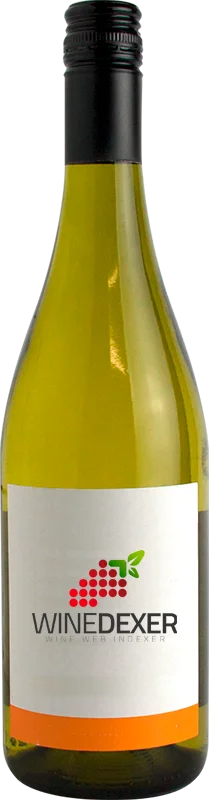
Winery Catherine LucasBlanc
 White wine


In the mouth this white wine is a powerful.
This wine generally goes well with pork, vegetarian or poultry.

Taste structure of the Blanc from the Winery Catherine Lucas
Light | Bold | |
Dry | Sweet | |
Soft | Acidic |
In the mouth the Blanc of Winery Catherine Lucas in the region of Bordeaux is a powerful.
Food and wine pairings with Blanc
Pairings that work perfectly with Blanc



Original food and wine pairings with Blanc


The Blanc of Winery Catherine Lucas matches generally quite well with dishes of pork, vegetarian or poultry such as recipes of potjevleesch, quiche with leeks and fresh salmon from flo or chicken and mushroom risotto.
Details and technical informations about Winery Catherine Lucas's Blanc.
Discover the grape variety: Négret Canourgue
Light, simply fruity reds with a pale ruby colour, soft tannins and a light palate with moderate acidity, featuring understated aromas of red fruits. Discreet rustic profile. Nearly extinct, preserved in INRAE varietal collections for its heritage value; it bears witness to the pre-phylloxera ampelographic diversity of the South-West and is among the patrimonial varieties under study. Rare French black variety, once grown in the South-West.
Informations about the Winery Catherine Lucas
The Winery Catherine Lucas is one of of the world's greatest estates. It offers 11 wines for sale in the of Bordeaux to come and discover on site or to buy online.

The wine region of Bordeaux
World-renowned age-worthy reds, led by round Merlot (plum, black fruit) or firm Cabernet Sauvignon (blackcurrant, cedar, graphite), blended with Cabernet Franc and Petit Verdot for tannic structure. Structured Médoc and Graves, velvety Saint-Émilion and Pomerol. Also crisp dry whites (Sauvignon/Sémillon) and opulent sweet Sauternes with honey and candied fruit. A 110,000 ha Gironde vineyard, 65 appellations, cradle of the 1855 classified growths.
The word of the wine: Wooded
A set of aromas brought about by ageing in barrels (usually oak). This can be pleasant when, in small doses, it brings a touch of spice, roast or vanilla to an already constructed ensemble. When the violent woodiness dominates the wine, it is quickly tiring. Easily identifiable aromatically, it is sought after (to the point of abuse) by the makers of coarse wines. New World manufacturers and, alas, some French winemakers use oak chips to impart the woody taste, which is tantamount to artificial flavoring.