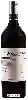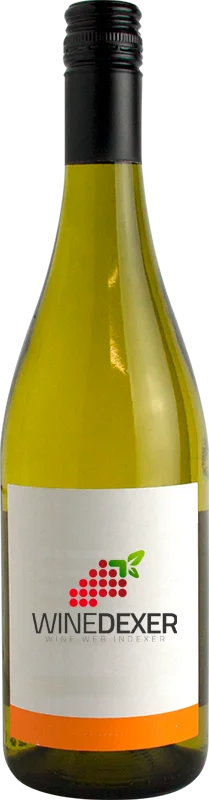
Winery Castro VignanoCoda di Volpe Beneventano
 White wine


In the mouth this white wine is a powerful.
This wine generally goes well with vegetarian, appetizers and snacks or shellfish.
Taste structure of the Coda di Volpe Beneventano from the Winery Castro Vignano
Light | Bold | |
Dry | Sweet | |
Soft | Acidic |
In the mouth the Coda di Volpe Beneventano of Winery Castro Vignano in the region of Campania is a powerful.
Food and wine pairings with Coda di Volpe Beneventano
Pairings that work perfectly with Coda di Volpe Beneventano



Original food and wine pairings with Coda di Volpe Beneventano
The Coda di Volpe Beneventano of Winery Castro Vignano matches generally quite well with dishes of shellfish, vegetarian or appetizers and snacks such as recipes of fried rice with shrimp and chicken, quiche with bacon and gruyère cheese or basil and cherry tomato clafoutis.
Details and technical informations about Winery Castro Vignano's Coda di Volpe Beneventano.
Discover the grape variety: Chasan
Chasan blanc is a grape variety that originated in France (Languedoc). It produces a variety of grape specially used for wine making. It is rare to find this grape to eat on our tables. This variety of grape is characterized by large bunches of grapes of medium size. Chasan blanc can be found in several vineyards: South-West, Cognac, Bordeaux, Languedoc & Roussillon, Loire Valley, Provence & Corsica, Rhone Valley, Savoie & Bugey, Beaujolais, Armagnac.
Last vintages of this wine
The best vintages of Coda di Volpe Beneventano from Winery Castro Vignano are 2014, 0
Informations about the Winery Castro Vignano
The Winery Castro Vignano is one of of the world's greatest estates. It offers 5 wines for sale in the of Campania to come and discover on site or to buy online.

The wine region of Campania
Campania is a region that forms the "tibia" of the boot of Italy, and whose largest city is Naples. Its name comes from Campania felix, a Latin phrase meaning roughly "happy land". The region has strong historical links with wine and vineyards, dating back to the 12th century BC, and is one of the oldest wine regions in Italy. The considerable influence of ancient empires, including the Greeks, Romans and Byzantines, means that some of the varieties in this region are linked to historical legends.
The word of the wine: Phylloxera
Aphid that came from America and ravaged European vineyards at the end of the 19th century. It lives on the roots of the vine, from which it pumps the sap. The only vines capable of resisting it had to be imported from the United States, and then grafted onto their root system the wood of traditional French grape varieties. Today, grafted vines are always planted.