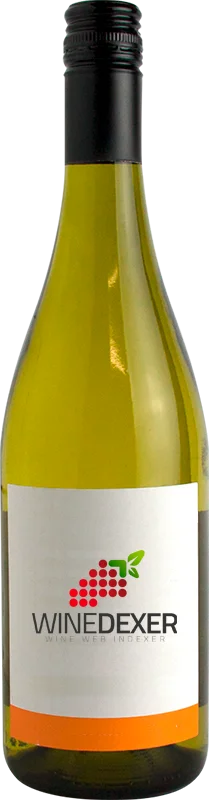
Winery Castelo de VerãoBranco
 White wine



In the mouth this white wine is a with a nice freshness.
This wine generally goes well with appetizers and snacks, lean fish or shellfish.

Taste structure of the Branco from the Winery Castelo de Verão
Light | Bold | |
Dry | Sweet | |
Soft | Acidic |
In the mouth the Branco of Winery Castelo de Verão in the region of Beiras is a with a nice freshness.


Food and wine pairings with Branco
Pairings that work perfectly with Branco



Original food and wine pairings with Branco

The Branco of Winery Castelo de Verão matches generally quite well with dishes of shellfish, appetizers and snacks or lean fish such as recipes of carri of shrimps with chillies, verrine of beetroot and lump roe or papillote of fish with cream sauce.
Details and technical informations about Winery Castelo de Verão's Branco.
Discover the grape variety: Arinarnoa
Colourful, structured reds with a dark ruby hue, firm tannins and a dense palate, with aromas of black fruits (blackcurrant, blackberry), cherry, plum, spices, black pepper and balsamic notes reminiscent of cabernet sauvignon. Fine ageing potential. Grown in Languedoc-Roussillon and the South-West for IGP wines, also adopted in Argentina and Uruguay for modern reds. French hybrid created in 1956 in Bordeaux by INRA (tannat × cabernet sauvignon).
Last vintages of this wine
The best vintages of Branco from Winery Castelo de Verão are 2015, 0
Informations about the Winery Castelo de Verão
The Winery Castelo de Verão is one of of the world's greatest estates. It offers 2 wines for sale in the of Dão to come and discover on site or to buy online.

The wine region of Dão
"Burgundy of Portugal": elegance and finesse at altitude. Signature Touriga Nacional as red: deep and perfumed with signature notes of violet, blackberry, black cherry, bergamot and pine resin, fine tannins and freshness drawn taut. Blended with fruity Alfrocheiro, supple Jaen (Mencía) and structured Tinta Roriz. Encruzado whites, a Portuguese reference: ample and mineral (pear, honey, hazelnut, age-worthy).
The wine region of Beiras
Vast region of north-central Portugal, a fragmented mosaic of distinct sub-regions. In the west, Bairrada makes dense Baga reds with notes of black cherry, blackberry and leather, firm tannins — the base of the great Portuguese sparkling wines. In the centre, Dao produces fine Touriga Nacional reds (violet, raspberry, spice) and elegant Encruzado whites (flowers, citrus, butter). To the continental east, fleshy Touriga of Beira Interior and aromatic Fernao Pires.
The word of the wine: Reduced
This is said of aromas that are reminiscent of a stale wine and that can be released when a long-closed bottle is opened. They generally fade with airing.


