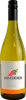
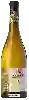
Winery CastellroigFinca Sabaté i Coca Sø Blanco
 White wine



This wine generally goes well with

Wine flavors and olphactive analysis




On the nose the Finca Sabaté i Coca Sø Blanco of Winery Castellroig in the region of Catalogne often reveals types of flavors of earth, microbio or tree fruit and sometimes also flavors of citrus fruit, red fruit or tropical fruit.
Discover the grape variety: Xarello
Structured, aromatic whites with full body and firm acidity, with aromas of white flowers, yellow fruits, fennel, fresh almond, Mediterranean herbs and mineral notes. Central component of Cava DO (with macabeo and parellada), bringing structure and ageing potential to Catalan sparkling wines. Also as ambitious still whites in Penedès DO and Classic Penedès. Native Catalan variety.
Last vintages of this wine
The best vintages of Finca Sabaté i Coca Sø Blanco from Winery Castellroig are 2019, 2013, 2011, 2017 and 2016.
Informations about the Winery Castellroig
The Winery Castellroig is one of of the world's greatest estates. It offers 33 wines for sale in the of Penedès to come and discover on site or to buy online.

The wine region of Penedès
Historic cradle of Cava (95% of Spanish output, centred on Sant Sadurní d'Anoia): traditional-method sparklers, convivial and brioche-like. Indigenous trilogy: signature Xarel-lo (body, herbaceous and almondy notes), Macabeo (apple, freshness), Parellada (floral elegance). Still wines ~80% white from the same grapes, straight and accessible. Also sunny Garnacha, Cabernet and Pinot Noir.
The wine region of Catalogne
Cradle of Cava (~95% of Spanish output, traditional method): Macabeo, Xarel-lo, Parellada trilogy, fine fruity bubble. Quality peak in Priorat DOCa: dense, mineral reds on llicorella (schist), old-vine Garnacha and Cariñena with black fruit, garrigue notes, firm tannins. Also Penedès, fleshy Montsant, sunny Empordà, Costers del Segre. Mediterranean.
The word of the wine: Performance
Quantity of grapes harvested per hectare. In AOC, the average yield is limited on the proposal of the appellation syndicate, validated by the Inao. The use of high-performance plant material (especially clones) and better control of vine diseases have increased yields. This is not without consequences on the quality of the wines (dilution) and on the state of the market (too much wine). We must not over-simplify: low yields are not synonymous with quality, and it is often in years with generous harvests that we find the greatest vintages (1982 and 1986 in Bordeaux, 1996 in Champagne, 1990 and 2005 in Burgundy...).