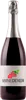
Winery Castell d'OrAlcohol Free Sparkling
 wine
wine
In the mouth this wine is a with a nice vivacity and a fine and pleasant bubble.
This wine generally goes well with
The Alcohol Free Sparkling of the Winery Castell d'Or is in the top 0 of wines of Cava.
Taste structure of the Alcohol Free Sparkling from the Winery Castell d'Or
Light | Bold | |
Soft | Acidic | |
Gentle | Fizzy |
In the mouth the Alcohol Free Sparkling of Winery Castell d'Or in the region of Cava is a with a nice vivacity and a fine and pleasant bubble.
Details and technical informations about Winery Castell d'Or's Alcohol Free Sparkling.
Discover the grape variety: Gros vert
Gros vert blanc is a grape variety that originated in France (Provence). It produces a variety of grape used to make wine. However, it can also be found eating on our tables! The Gros vert blanc can be found cultivated in these vineyards: South-West, Cognac, Bordeaux, Rhône valley, Provence & Corsica.
Informations about the Winery Castell d'Or
The Winery Castell d'Or is one of of the world's great estates. It offers 22 wines for sale in the of Cava to come and discover on site or to buy online.

The wine region of Cava
Cava is Spain's signature style of Sparkling wine, and the Iberian Peninsula's answer to Champagne. The traditional Grape varieties used in Cava were Macabeo, Parellada and Xarel-lo, but the Champagne varieties Chardonnay and Pinot Noir are also used. While the first Cava was produced exclusively in Catalonia - specifically in a small town called San Sadurní de Noya - modern Cava can be sourced from various regions of Spain. Aragon, Navarre, Rioja, Pais Vasco, Valencia and Extremadura have specific delimited areas that can benefit from the designation of origin.
The word of the wine: Harsh
Term describing the state of tannins with an astringency that lacks finesse.