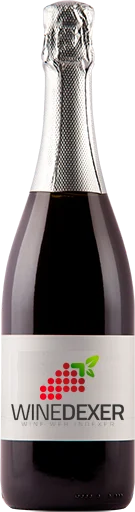
Winery Cascina BoccaccioInfernot Rosé
 Sparkling wine


This wine generally goes well with pork, mild and soft cheese or mushrooms.

Wine flavors and olphactive analysis


On the nose the Infernot Rosé of Winery Cascina Boccaccio in the region of Piedmont often reveals types of flavors of red fruit.
Food and wine pairings with Infernot Rosé
Pairings that work perfectly with Infernot Rosé



Original food and wine pairings with Infernot Rosé
The Infernot Rosé of Winery Cascina Boccaccio matches generally quite well with dishes of pork, mushrooms or mild and soft cheese such as recipes of guinea fowl with cabbage, tagliatelle with mushrooms or gourmet tartiflette (pan-fried).
Details and technical informations about Winery Cascina Boccaccio's Infernot Rosé.
Discover the grape variety: Nero
Generic Italian name for black grape varieties, without reference to a specific variety. Often used as a prefix (Nero d'Avola, Nero Buono, Nero di Troia, Nero Mascalese) to designate indigenous regional Italian black varieties. Reflects the ampelographic richness of Italy, where each region has its own identity-defining local black varieties: Sicily, Puglia, Latium, Sardinia. Not to be confused with a single variety.
Last vintages of this wine
The best vintages of Infernot Rosé from Winery Cascina Boccaccio are 0
Informations about the Winery Cascina Boccaccio
The Winery Cascina Boccaccio is one of of the world's greatest estates. It offers 11 wines for sale in the of Dolcetto di Ovada to come and discover on site or to buy online.

The wine region of Dolcetto di Ovada
Piedmontese DOC (DOCG Superiore) in Alto Monferrato, hill vineyard up to 600 m, clay and limestone soils. Dolcetto signature as 100% single varietal ('little sweet' for pulp but dry wines): intense ruby red wines with black cherry, blackberry, plum, violet and bitter almond notes, firm tannins and slightly bitter finish — the most structured version of the grape. Fresh and fruity to drink young, or Superiore-aged for longer keeping.
The wine region of Piedmont
Kingdom of Nebbiolo: Barolo and Barbaresco DOCG, long-ageing reds with firm tannins and lively acidity, complex aromas of withered rose, sour cherry, tar, truffle and undergrowth. More accessible, tangy Barbera on red fruit, supple, crisp Dolcetto. Sweet, floral sparkling Moscato d'Asti, mineral, lemony Gavi (Cortese) white, round, almondy Arneis from Roero. 50,000 ha across the Langhe, Roero and Monferrato, UNESCO.
The word of the wine: Tanin
A natural compound contained in the skin of the grape, the seed or the woody part of the bunch, the stalk. The maceration of red wines allows the extraction of tannins, which give the texture, the solidity and also the mellowness when the tannins are "ripe". The winemaker seeks above all to extract the tannins from the skin, the ripest and most noble. The tannins of the seed or stalk, which are "greener", especially in average years, give the wine hardness and astringency. The wines of Bordeaux (based on Cabernet and Merlot) are full of tannins, those of Burgundy much less so, with Pinot Noir containing little.