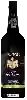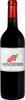
Winery Casal Dos JordõesCasa do Raposo Finest Reserve Porto
 wine
wine
This wine generally goes well with
The Casa do Raposo Finest Reserve Porto of the Winery Casal Dos Jordões is in the top 0 of wines of Porto.
Details and technical informations about Winery Casal Dos Jordões's Casa do Raposo Finest Reserve Porto.
Discover the grape variety: Humagne blanche
A very old grape variety grown in Switzerland (canton of Valais) and in southwestern France under the name Miousat (Louis Bordenave-2007). It is not related to humagne rouge. According to published genetic analyses, it is related to the colombaud and the chichaud.
Informations about the Winery Casal Dos Jordões
The Winery Casal Dos Jordões is one of of the world's great estates. It offers 22 wines for sale in the of Porto to come and discover on site or to buy online.

The wine region of Porto
The wine region of Porto is located in the region of Duriense of Portugal. We currently count 312 estates and châteaux in the of Porto, producing 2132 different wines in conventional, organic and biodynamic agriculture. The wines of Porto go well with generally quite well with dishes .
The wine region of Duriense
Duriense is a Portuguese wine region covering the same area as the Douro DOC and the Port wine region. In difference from Douro DOC, Duriense VR is a designation at the lower Vinho Regional (VR) level, which corresponds to table wines with a geographical indication under European Union wine regulations, similar to a French vin de pays region. Thus, it is the simpler or less typical wines of the Douro region that are sold using a Duriense VR label. Before the creation of a separate Duriense VR, the Douro vineyards were Part of the former Transmontano/tras-os-montes">Trás-os-Montes VR, which is now called Transmontano VR and no longer includes the Douro vineyards.
The word of the wine: Muscat blanc à petits grains
A white grape variety cultivated since antiquity on the shores of the Mediterranean, it is considered the noblest of the muscats. It is mainly used to make sweet wines, often from mutage. In France, it is the sole variety used in many natural sweet wines: muscat-de-frontignan, muscat-de-mireval, muscat-de-lunel, muscat-de-saint-jean-de-minervois, muscat-de-beaumes-de-venise, muscat-du-cap-corse. Combined with Muscat d'Alexandrie, it gives Muscat-de-Rivesaltes. It is also used to make sparkling white wines (clairette-de-die; moscato d'asti and asti spumante in Italy) and dry wines (alsace-muscat). Powerfully aromatic and complex, its wines evoke fresh grapes, roses, exotic fruits, citrus fruits and spices.