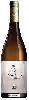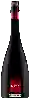
Winery Casal BrancoMonge Bruto
 Sparkling wine



This wine generally goes well with
Wine flavors and olphactive analysis

On the nose the Monge Bruto of Winery Casal Branco in the region of Tejo often reveals types of flavors of microbio, tree fruit.
Details and technical informations about Winery Casal Branco's Monge Bruto.
Discover the grape variety: Schuyler
A complex interspecific cross between zinfandel and ontario (winchelle x diamond) obtained in 1932 by Wellington Richard. and Oberle G.D. at Cornell University in Geneva (United States). It can also be found in Canada, almost unknown in France. We noted that the boskoop glory resembles somewhat the Schuyler even if the origins, each time put forward, are quite different, to be followed!
Last vintages of this wine
The best vintages of Monge Bruto from Winery Casal Branco are 2015, 2012, 0
Informations about the Winery Casal Branco
The Winery Casal Branco is one of of the world's great estates. It offers 45 wines for sale in the of Tejo to come and discover on site or to buy online.

The wine region of Tejo
Tejo is a wine region in CentralPortugal which covers the same area as the Ribatejo province, just inland from the major city of Lisbon. The wine appellation's name was changed from Ribatejo in 2009. The entire region may use the Tejo VR (Vinho Regional) designation, similar to the French IGP/Vin de Pays, while some areas produce wines labeled with the higher-level Do Tejo DOC (Denominação de Origem Controlada). A Warm, Dry area, it is also Portugal's only landlocked region – although it is influenced considerably by the Tejo river.
The word of the wine: Tastevin
Metal cup, wide and of low height, being used to mirror and taste the wine. Still used in wine brotherhoods for its emblematic and folkloric character, the tastevin has been replaced by the various tasting glasses.