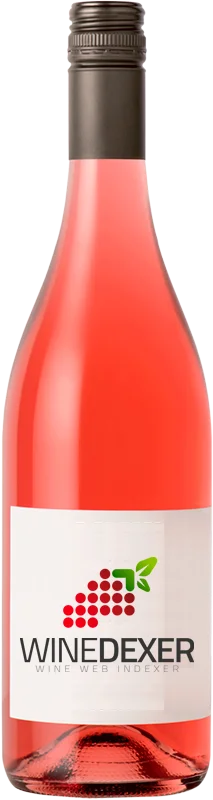
Winery Casa da CarvalhaRosé
 Pink wine



This wine generally goes well with

Details and technical informations about Winery Casa da Carvalha's Rosé.
Discover the grape variety: Datal
Simple, fresh dry whites with a pale golden robe, a supple palate with moderate acidity on undemonstrative citrus and white flower aromas. Discreet rustic profile. Preserved in a few ampelographic collections, it belongs to the ancient varieties with patrimonial value whose commercial diffusion has virtually disappeared and which are studied for their genetic and historical interest. Rare and poorly documented white variety, grown in confidential quantities.
Last vintages of this wine
The best vintages of Rosé from Winery Casa da Carvalha are 2017, 0
Informations about the Winery Casa da Carvalha
The Winery Casa da Carvalha is one of of the world's greatest estates. It offers 5 wines for sale in the of Dão to come and discover on site or to buy online.

The wine region of Dão
"Burgundy of Portugal": elegance and finesse at altitude. Signature Touriga Nacional as red: deep and perfumed with signature notes of violet, blackberry, black cherry, bergamot and pine resin, fine tannins and freshness drawn taut. Blended with fruity Alfrocheiro, supple Jaen (Mencía) and structured Tinta Roriz. Encruzado whites, a Portuguese reference: ample and mineral (pear, honey, hazelnut, age-worthy).
The wine region of Beiras
Vast region of north-central Portugal, a fragmented mosaic of distinct sub-regions. In the west, Bairrada makes dense Baga reds with notes of black cherry, blackberry and leather, firm tannins — the base of the great Portuguese sparkling wines. In the centre, Dao produces fine Touriga Nacional reds (violet, raspberry, spice) and elegant Encruzado whites (flowers, citrus, butter). To the continental east, fleshy Touriga of Beira Interior and aromatic Fernao Pires.
The word of the wine: Primeur
Said of wines from the last vintage and, by extension, wines of the year, fruity and easy-drinking, put on sale on the third Thursday in November. The AOC regulations specify that a wine is said to be primeur if it is bottled before the spring, and nouveau if it is bottled before the following harvest. Beaujolais Nouveau is therefore a vin primeur.